


Close Menu

    Subscribe to Updates

    Get the latest creative news from FooBar about art, design and business.

    What's Hot

    Thalassemia Awareness: A Comprehensive Guide

    June 10, 2026

    Decoding Alpha Thalassemia Symptoms

    May 19, 2026

    Thriving with Thalassemia: Daily Health Habits – thalassemia lifestyle management tips

    May 11, 2026
    Facebook X (Twitter) Instagram
    My BlogMy Blog
    Facebook X (Twitter) Instagram
    • Homepage
    • Health & Wellness
    • Thalassemia Awareness
    • Thalassemia Tips
    My BlogMy Blog
    Home»Thalassemia Awareness»Thalassemia Awareness: A Comprehensive Guide
    Thalassemia Awareness

    Thalassemia Awareness: A Comprehensive Guide

    adminBy adminJune 10, 2026Updated:June 10, 2026No Comments24 Mins Read
    Facebook Twitter Pinterest LinkedIn Tumblr Reddit WhatsApp Email
    Thalassemia Awareness
    Share
    Facebook Twitter LinkedIn Pinterest WhatsApp Email

    Thalassemia Awareness focuses on educating people about the inherited blood disorder thalassemia, its symptoms, genetic causes, and prevention methods. It promotes early screening, genetic counseling, and informed family planning to reduce the risk of severe cases and improve overall public health outcomes.

    Thalassemia awareness is crucial for understanding this inherited blood disorder, characterized by abnormal hemoglobin production. Early genetic screening, recognizing symptoms, and proper lifestyle management help individuals lead healthier lives while preventing severe complications in future generations. Strengthening Thalassemia Awareness also helps reduce misdiagnosis and improves early intervention in high-risk populations.

    Blood acts as the body’s transportation network, delivering oxygen to every organ and tissue. When a genetic variation disrupts the production of hemoglobin—the protein responsible for carrying oxygen—it can lead to a condition known as thalassemia. Thalassemia awareness plays a vital role in helping communities understand this genetic blood disorder, navigate its symptoms, and make informed decisions regarding family planning and medical care. Expanding Thalassemia Awareness ensures that more individuals recognize the importance of early testing and preventive healthcare.

    Many people carry genetic traits for this condition without ever showing signs of illness. Without widespread education and early screening, these individuals might unknowingly pass severe forms of the disorder to their children. By highlighting the science behind hemoglobin production, we can empower patients to advocate for accurate diagnoses and avoid unnecessary treatments. Improved Thalassemia Awareness helps break this cycle by encouraging carrier screening and genetic counseling before marriage or pregnancy.

    This comprehensive guide explores the genetic foundations of the disorder, the differences between its various forms, and the daily management strategies that support a high quality of life. Understanding these elements ensures that patients, carriers, and healthcare providers can collaborate effectively to manage long-term health outcomes. Ultimately, stronger Thalassemia Awareness leads to better prevention strategies, improved patient care, and reduced disease burden across future generations.

    What is Thalassemia and how does it affect the body?

    Inherited blood disorder causing low hemoglobin and anemiaTo grasp the mechanics of this condition, you first need to understand What is thalassemia. It is an inherited blood disorder characterized by the body’s inability to produce adequate amounts of healthy hemoglobin. Normal adult hemoglobin requires a precise balance of alpha-globin and beta-globin protein chains. When genetic mutations or deletions disrupt the production of either chain, the resulting red blood cells are typically smaller, paler, and more fragile than normal.

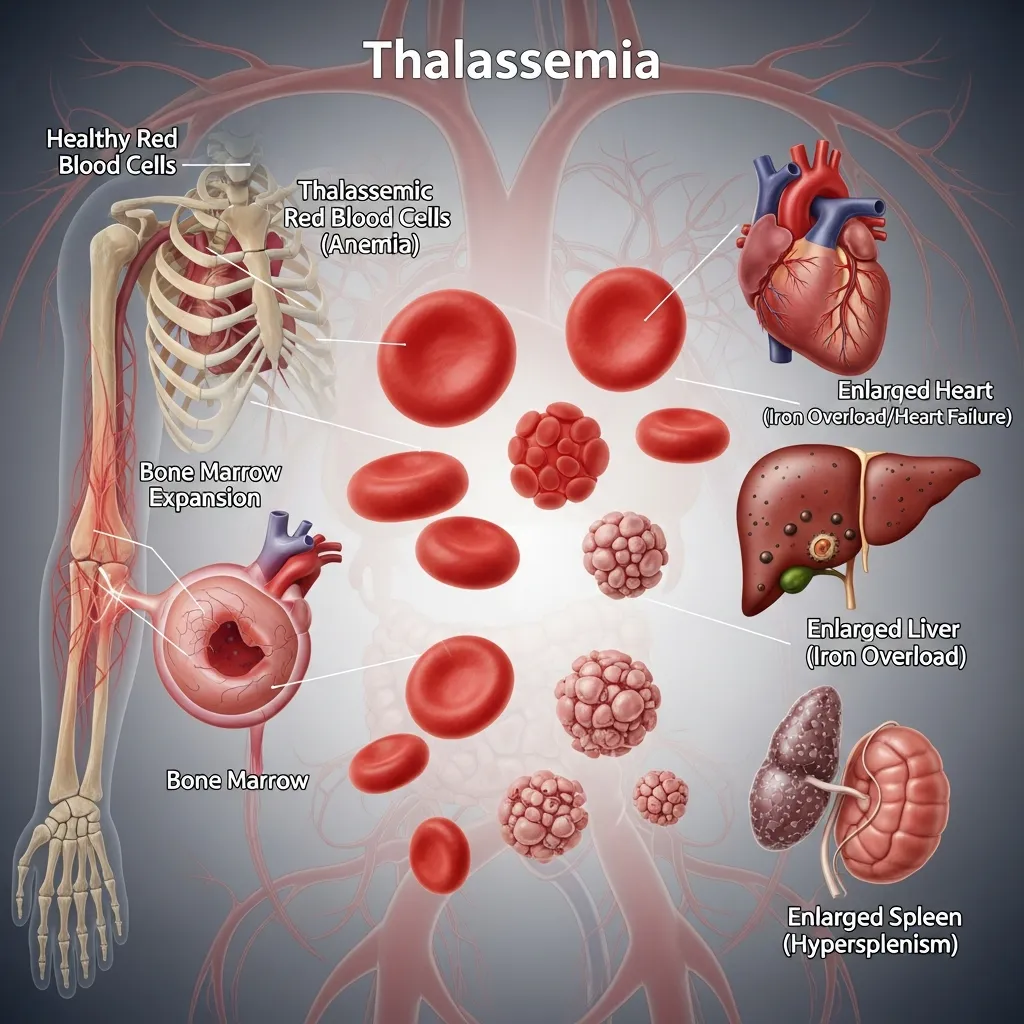
    These defective red blood cells break down rapidly, leading to a shortage of oxygen-carrying cells in the bloodstream—a condition known as anemia. According to the Centers for Disease Control and Prevention (CDC), this rapid destruction forces the bone marrow to work overtime, often causing bone deformities and an enlarged spleen as the body attempts to compensate for the continuous loss of red blood cells.

    Over time, this ongoing imbalance places significant strain on multiple organ systems. The bone marrow expands in an attempt to produce more red blood cells, which can lead to structural changes in bones, especially in the face and skull in severe cases. At the same time, the spleen becomes overactive as it filters out damaged red blood cells, often resulting in splenomegaly, which may further reduce healthy blood cell levels.

    Chronic anemia caused by thalassemia can affect nearly every aspect of daily life. Individuals may experience persistent fatigue, weakness, shortness of breath, dizziness, and reduced ability to perform physical activities. In children, severe forms of the disease can interfere with normal growth and development, including delayed puberty and stunted height.

    In more advanced cases, the heart and liver may also be affected due to long-term oxygen deprivation and iron overload, especially in patients who require frequent blood transfusions. Without proper management, these complications can become life-threatening over time. This is why early diagnosis, regular monitoring, and appropriate treatment are essential components of care.

    The severity of symptoms depends largely on whether an individual carries a single mutated gene (trait) or has inherited more severe combinations of genetic mutations. Some people remain asymptomatic throughout life, while others require lifelong medical intervention from early childhood.

    Understanding What is thalassemia in depth helps highlight not only its biological impact but also the importance of awareness, genetic counseling, and timely medical support.

    Why is Thalassemia Awareness Important today?

    Public health initiatives rely on education to prevent the spread of severe genetic disorders. Thalassemia awareness is essential because the condition is entirely preventable through genetic screening. Many individuals only discover their carrier status after experiencing complications or having a child born with a severe form of the disease.

    Raising awareness ensures that people from high-risk populations understand the value of preconception genetic counseling. It also helps healthcare providers differentiate genetic anemia from standard iron deficiency, preventing patients from receiving harmful iron supplements. Increased awareness also supports early testing programs in schools, community clinics, and premarital screening initiatives, which are especially important in regions with higher carrier rates.

    What are the different types of Alpha Thalassemia?

    Alpha thalassemia occurs when the body fails to produce enough alpha-globin chains. Four specific genes located on chromosome 16 control the production of these chains. The severity of the condition correlates directly with the number of missing or deleted genes. Depending on how many genes are affected, the disorder can range from silent carrier states to life-threatening anemia requiring lifelong medical care.

    What does it mean to be an alpha thalassemia carrier?

    If you are missing a single alpha-globin gene, you are considered a silent alpha thalassemia carrier. The three remaining genes produce enough hemoglobin to maintain normal blood function. Most carriers experience absolutely no symptoms and lead completely normal lives, only discovering their status through specialized DNA testing. However, understanding carrier status is still important for family planning, as it can influence the risk of having children with more severe forms of thalassemia.

    How does alpha thalassemia minor impact health?

    When two alpha-globin genes are missing, the diagnosis is alpha thalassemia minor. People with this trait typically have slightly smaller red blood cells and may experience very mild anemia. They generally feel healthy and require no specific medical intervention. In many cases, this condition is mistaken for iron deficiency anemia, which is why proper diagnostic testing is essential before starting any treatment.

    What is Hemoglobin H Disease (HbH)?

    Losing three alpha-globin genes causes Hemoglobin H disease. With only one functioning gene, the body experiences a severe shortage of alpha chains. The excess beta chains clump together to form unstable hemoglobin H clusters. This condition, often referred to as HbH disease, leads to moderate to severe anemia, an enlarged spleen, and significant fatigue. Some patients may require occasional blood transfusions, especially during illness, pregnancy, or periods of increased physical stress.

    What are the common alpha thalassemia symptoms?

    Recognizing alpha thalassemia symptoms early is crucial for proper care. Common signs include persistent fatigue, weakness, pale or yellowish skin, and shortness of breath. Children with severe forms may experience delayed growth and skeletal deformities. In more advanced cases, symptoms can also include jaundice, abdominal swelling due to spleen enlargement, and reduced exercise tolerance, which can significantly affect daily life and development.

    What are the different types of Beta Thalassemia?

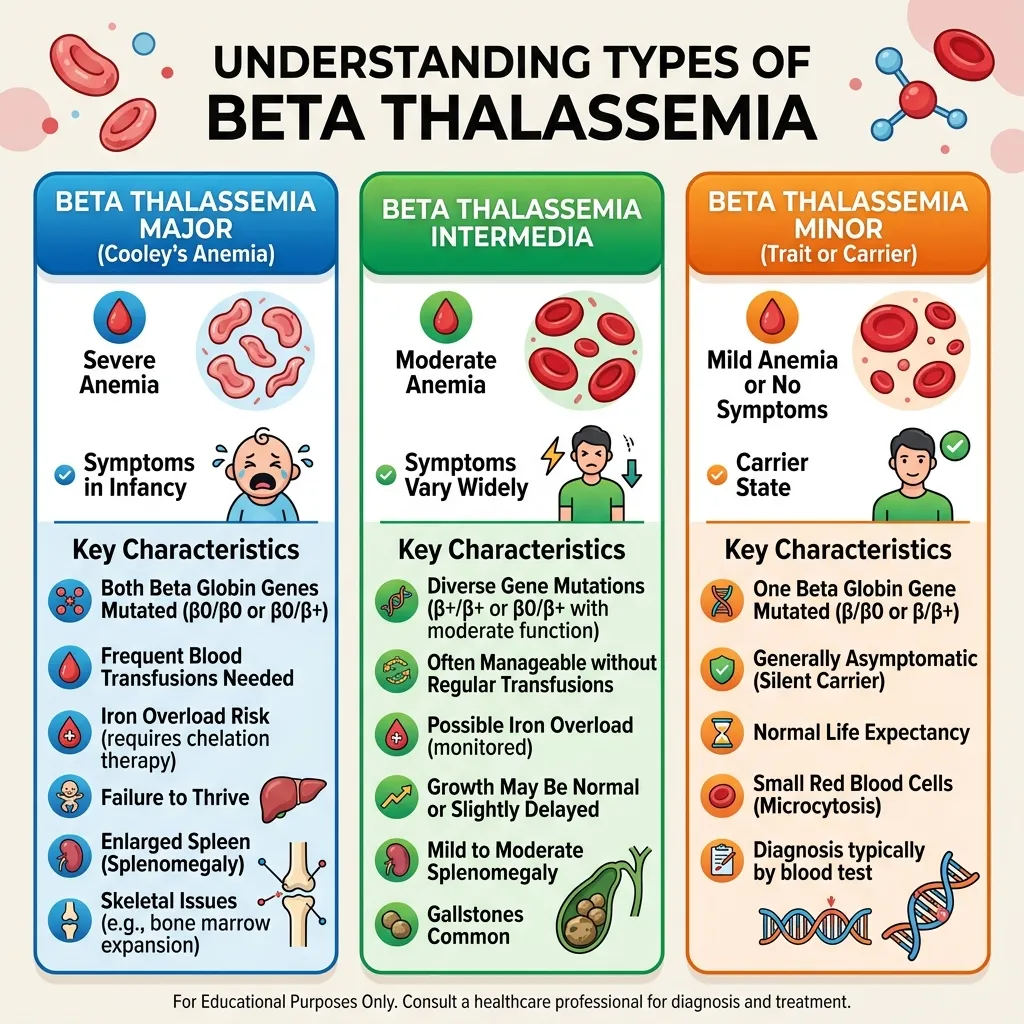
    Types of beta thalassemia and their severity levelsBeta thalassemia involves mutations in the two genes located on chromosome 11 that control beta-globin production. Instead of missing genes, point mutations limit or halt the production of these essential protein chains. The severity of the condition depends on how much beta-globin is produced and how strongly red blood cell formation is affected. This variation leads to a spectrum of clinical outcomes, ranging from mild carrier states to severe, life-threatening anemia.

    What is beta thalassemia minor?

    When a person inherits one mutated beta-globin gene and one normal gene, they develop beta thalassemia minor. The single functional gene usually prevents serious health issues, though the individual may experience mild fatigue and slightly smaller red blood cells. Most people with this condition live completely normal lives without requiring treatment. However, it is often mistaken for iron deficiency anemia, which can lead to unnecessary iron supplementation if not properly diagnosed through blood tests and hemoglobin analysis.

    What is Beta Thalassemia Major (Cooley’s Anemia)?

    If a person inherits two severely mutated beta-globin genes, they develop beta thalassemia major. Babies born with this condition appear healthy at first due to the presence of fetal hemoglobin. However, severe anemia sets in within the first two years of life, requiring lifelong blood transfusions to maintain oxygen levels. Over time, repeated transfusions can lead to iron overload, making iron chelation therapy essential to protect vital organs such as the heart and liver.

    In addition to medical treatment, children with beta thalassemia major often require comprehensive long-term care. This includes regular monitoring of growth, bone health, and organ function, as well as psychological and social support for both the patient and family. Advances in treatment, including bone marrow transplantation and emerging gene therapies, offer potential curative options in selected cases, giving hope for improved outcomes in the future.

    As the condition progresses, patients may also experience complications such as delayed puberty, facial bone changes due to bone marrow expansion, and increased susceptibility to infections. These challenges highlight the importance of early diagnosis and consistent medical follow-up. Multidisciplinary care teams play a crucial role in managing both the medical and emotional aspects of the disease.

    Regular transfusion programs and iron monitoring are essential to improve life expectancy and quality of life. With proper treatment adherence, many patients are able to reach adulthood and lead more stable lives than in previous decades. Ongoing research continues to improve safety and effectiveness of therapies, making long-term outcomes more promising than ever before.

    What are the primary symptoms of thalassemia?

    The symptoms of thalassemia vary widely depending on the number of mutated or deleted genes and the overall severity of the condition. Mild forms often present no outward signs and may go unnoticed for years, with individuals only discovering the condition during routine blood tests. In moderate to severe cases, symptoms are more noticeable and can significantly affect daily life.

    Common signs include chronic fatigue, weakness, dizziness, and pale or yellowish skin due to reduced oxygen delivery in the blood. Some individuals may also experience dark urine, irritability, and shortness of breath, especially during physical activity. As the body attempts to compensate for low red blood cell levels, the bone marrow becomes overactive, which can lead to bone expansion and, in severe cases, facial bone deformities.

    Children with more severe forms of thalassemia may show additional symptoms such as delayed growth, poor appetite, and delayed puberty. Over time, repeated anemia can also affect heart function and overall physical development if not properly managed. These symptoms highlight the importance of early recognition and ongoing medical care.

    What diagnostic procedures confirm a thalassemia diagnosis?

    Accurate diagnosis of thalassemia begins with a Complete Blood Count (CBC), which measures red blood cell size, hemoglobin levels, and overall blood health. One of the key indicators is a low Mean Corpuscular Volume (MCV), which suggests smaller-than-normal red blood cells. However, CBC alone is not enough to confirm the condition.

    To further investigate, healthcare providers use hemoglobin electrophoresis, a test that separates and measures different types of hemoglobin in the blood. This helps identify abnormal hemoglobin patterns associated with beta thalassemia and other related disorders. In some cases, additional iron studies are performed to rule out iron deficiency anemia, which can present with similar symptoms.

    The most definitive method for diagnosis is targeted genetic DNA testing. This test identifies specific mutations or deletions in the alpha or beta globin genes, confirming not only the presence of thalassemia but also its exact type. Genetic testing is especially important for carrier detection and family planning, as it provides precise information about inheritance risk.

    Together, these diagnostic procedures allow doctors to accurately classify the condition, determine its severity, and develop an appropriate treatment plan tailored to the patient’s needs.

    What treatment options are available for thalassemia?

    Thalassemia treatment options and careTreatment plans for thalassemia are closely aligned with the severity of the diagnosis and the specific type of the disorder. Individuals with thalassemia trait or minor forms typically do not require active medical treatment, although regular monitoring may be recommended to track hemoglobin levels and avoid misdiagnosis as iron deficiency anemia. In some cases, patients may only need dietary guidance and periodic blood tests to ensure overall stability.



    Those with moderate forms of thalassemia may require occasional blood transfusions, especially during periods of stress such as infections, pregnancy, or surgery. These transfusions help maintain adequate hemoglobin levels and prevent complications related to chronic anemia. However, repeated transfusions can lead to iron overload in vital organs, making iron chelation therapy an essential part of long-term care.

    Severe forms, such as beta thalassemia major, require regular and lifelong blood transfusions, often every few weeks, to sustain oxygen delivery throughout the body. Alongside transfusion therapy, iron chelation treatment is strictly necessary to prevent toxic iron buildup in the heart, liver, and endocrine system. According to the National Institutes of Health (NIH), hematopoietic stem cell transplantation remains the only established curative option for severe thalassemia, although it is not suitable for every patient due to donor availability and potential medical risks.

    In recent years, gene therapy has also emerged as a promising experimental treatment. These advanced approaches aim to correct the underlying genetic defect responsible for abnormal hemoglobin production, potentially reducing or eliminating the need for lifelong transfusions in the future.

    What are the best thalassemia lifestyle management tips?

    Building supportive daily habits can significantly improve both physical health and emotional well-being in individuals living with thalassemia. Effective thalassemia lifestyle management tips begin with a balanced, nutrient-rich diet that supports red blood cell production and overall energy levels. Foods high in folate, such as leafy green vegetables, legumes, beans, and lentils, are particularly beneficial because they help the bone marrow produce healthy blood cells.

    Patients are generally advised to avoid excessive intake of iron-rich or iron-fortified foods unless specifically recommended by a healthcare provider. Since individuals with thalassemia may be at risk of iron overload, unnecessary supplementation can be harmful. Therefore, over-the-counter iron supplements should only be taken under strict medical supervision.

    Regular physical activity also plays an important role in maintaining cardiovascular health and improving stamina. Low-impact exercises such as walking, swimming, yoga, and light cycling are often recommended because they enhance circulation without placing excessive strain on the body. At the same time, patients should avoid overexertion and ensure adequate rest to prevent fatigue.

    In addition to diet and exercise, emotional and psychological support is equally important. Living with a chronic condition can affect mental health, so counseling, support groups, and family involvement can help patients cope more effectively. Routine medical follow-ups, vaccination updates, and infection prevention strategies also form an essential part of long-term care.

    Overall, combining medical treatment with consistent lifestyle management helps individuals with thalassemia maintain better quality of life, reduce complications, and achieve more stable long-term health outcomes.

    How can understanding a thalasemia trait help families?

    Discovering that you carry a thalasemia trait is the first step in proactive family planning. Because the condition follows an autosomal recessive inheritance pattern, two carrier parents have a 25% chance of passing a severe form of the disorder to their child with each pregnancy. This means that each pregnancy carries a measurable risk, making awareness and early testing extremely important for reproductive decision-making. Understanding carrier status also helps reduce uncertainty and allows families to plan with confidence and medical guidance.

    In addition, knowing one’s trait status helps prevent misdiagnosis and unnecessary treatments later in life. Many carriers are mistakenly treated for iron deficiency anemia, which can lead to improper supplementation. Early identification ensures that individuals receive accurate medical advice and appropriate monitoring when needed.

    Why is genetic screening and counseling essential?

    Genetic screening and counseling importance

    Genetic counselors play a vital role in helping prospective parents understand their DNA test results in a clear and practical way. They calculate precise statistical risks for future pregnancies and explain how different inheritance patterns may affect offspring. This guidance is especially important for couples where both partners are carriers, as it significantly increases the risk of having a child with severe thalassemia.

    Counseling also provides access to reproductive options such as in vitro fertilization (IVF) with preimplantation genetic testing. These advanced techniques allow embryos to be screened before implantation, reducing the likelihood of passing on severe genetic disorders. In addition, counselors help families understand prenatal testing options and prepare emotionally and medically for different outcomes.

    Beyond reproductive planning, genetic counseling supports long-term awareness and education within families. It helps relatives understand whether they should also consider testing, which is particularly important in communities with higher carrier rates. This creates a ripple effect of awareness that can reduce disease incidence over time.

    What are the key differences in alpha vs beta thalassemia?

    When evaluating alpha vs beta thalassemia, the core difference lies in the specific genetic mechanism and the genes involved. Alpha thalassemia involves the deletion or mutation of up to four genes on chromosome 16 responsible for alpha-globin production, while beta thalassemia results from point mutations in two genes on chromosome 11 that control beta-globin production.

    Although both conditions lead to reduced hemoglobin production and microcytic anemia, their severity patterns and clinical outcomes differ significantly. Alpha thalassemia severity depends on how many alpha genes are affected, ranging from silent carrier states to severe forms like Hemoglobin H disease. In contrast, beta thalassemia typically presents as minor, intermedia, or major forms based on the level of beta-globin production.

    Geographically, alpha thalassemia is more common in Southeast Asia and parts of Africa, while beta thalassemia is more prevalent in the Mediterranean, Middle East, and South Asia. These regional differences are important for public health screening programs and help healthcare systems design targeted prevention strategies.

    Understanding these distinctions allows healthcare providers and families to better interpret diagnostic results, assess risks, and make informed decisions about genetic counseling and future family planning.

    How does a thalassemia minor diagnosis affect daily routines?

    For the vast majority of individuals, a thalassemia minor diagnosis requires virtually no lifestyle changes. These individuals can pursue demanding careers, academic goals, and rigorous physical activities without significant limitations. Most people with the trait remain asymptomatic throughout life and often discover their status incidentally during routine blood tests. The condition typically does not interfere with daily energy levels, productivity, or overall quality of life.

    The most important adjustment is awareness and communication with healthcare providers. Individuals should inform doctors about their carrier status so that mild microcytosis is not mistakenly diagnosed as iron deficiency anemia. This helps prevent unnecessary iron supplementation, which can be ineffective or potentially harmful if taken without a confirmed deficiency. Regular check-ups may still be recommended to monitor general blood health, especially during periods of stress, pregnancy, or illness.

    In addition, individuals with thalassemia minor are encouraged to consider genetic counseling when planning a family. Although the condition itself is mild, it can have significant implications if both partners are carriers. Understanding inheritance patterns allows couples to make informed reproductive decisions and reduces the risk of having children with severe thalassemia.

    What is the global perspective and research outlook on thalassemia?

    Thalassemia is a globally distributed genetic disorder, but its burden is significantly higher in regions such as the Mediterranean, Middle East, South Asia, and Southeast Asia. In these areas, large populations of carriers contribute to a higher incidence of severe disease forms. As a result, many countries have implemented public health strategies such as mandatory premarital screening, national carrier detection programs, and awareness campaigns aimed at reducing new cases.

    From a global health perspective, thalassemia is increasingly recognized as a preventable genetic condition. International organizations and healthcare systems are focusing on early detection, improved access to genetic counseling, and expansion of newborn screening programs. These initiatives are helping to reduce disease prevalence and improve long-term outcomes for affected families.

    At the same time, research in molecular medicine is rapidly advancing. One of the most promising areas is gene-editing technology, particularly CRISPR-Cas9, which aims to directly correct the genetic mutations responsible for thalassemia. Early clinical trials have shown encouraging results, offering the potential for long-term or even permanent correction of the disorder at the DNA level. Alongside this, stem cell transplantation techniques are also improving in safety and accessibility.

    Together, these developments represent a major shift in how thalassemia may be managed in the future. While current treatment still relies on transfusions and supportive care, ongoing research offers hope that future generations may benefit from more definitive and potentially curative therapies.

    Living with Thalassemia: Daily Care and Support

    Daily care and support for living with thalassemiaLiving with thalassemia requires consistent medical care, emotional resilience, and structured lifestyle habits. Patients often need regular monitoring through blood tests to track hemoglobin levels and iron status. Depending on severity, treatments such as blood transfusions and iron chelation therapy may be required to maintain stable health. Alongside medical care, a balanced diet rich in essential nutrients supports overall well-being and helps reduce fatigue.

    Emotional and psychological support is equally important, as chronic illness can impact mental health and daily motivation. Family involvement, counseling services, and patient support groups can significantly improve coping ability. With proper care, education, and adherence to treatment plans, many individuals with thalassemia are able to lead active, productive, and meaningful lives.

    Prevention Strategies and Genetic Screening

    Prevention plays a crucial role in reducing the global burden of thalassemia. Genetic screening before marriage or pregnancy helps identify carrier status early, allowing individuals to understand their reproductive risks. When both partners are carriers, genetic counseling becomes essential to explain inheritance patterns and discuss safe family planning options.

    Public health programs and awareness campaigns are especially important in high-prevalence regions. School-based education, community screening drives, and premarital testing initiatives can significantly reduce the number of new severe cases. Advanced reproductive technologies such as prenatal diagnosis and preimplantation genetic testing also provide additional preventive options for at-risk couples, helping future generations avoid severe forms of the disease.

    Importance of Early Diagnosis and Regular Monitoring

    Early diagnosis is one of the most effective ways to improve outcomes in thalassemia management. Simple and widely available tests such as Complete Blood Count (CBC), hemoglobin electrophoresis, and iron studies can detect abnormalities before complications develop. Identifying the condition early allows healthcare providers to create personalized treatment plans tailored to disease severity.

    Regular monitoring is equally important for long-term care. Ongoing follow-ups help track anemia levels, iron accumulation, and organ function, ensuring timely intervention when needed. Early detection of complications such as iron overload or growth delays can prevent long-term damage. Consistent medical supervision, combined with patient awareness, greatly improves survival rates and enhances quality of life for individuals living with thalassemia.

    Role of Nutrition in Thalassemia Management

    Nutrition plays a supportive but important role in managing thalassemia. A well-balanced diet helps maintain energy levels and supports overall health, especially in patients dealing with chronic anemia. Foods rich in folate, such as leafy green vegetables, beans, and lentils, help support red blood cell production. Adequate protein intake is also essential for tissue repair and immune function.

    At the same time, patients are usually advised to avoid unnecessary iron supplementation unless prescribed by a doctor, as iron overload can be harmful in thalassemia. Vitamin C intake should also be balanced carefully, as it can increase iron absorption in the body. Proper dietary planning, guided by healthcare professionals, helps improve quality of life and complements medical treatment.

    Psychological and Social Impact of Thalassemia

    Thalassemia is not only a physical condition but also has significant psychological and social effects. Patients, especially those with severe forms, may experience anxiety, stress, or depression due to ongoing treatment requirements and lifestyle limitations. Frequent hospital visits and long-term therapies can also impact education, work, and social interactions.

    Family support and counseling play a crucial role in managing these challenges. Support groups and community programs can help patients connect with others facing similar experiences, reducing feelings of isolation. Raising awareness in society also helps reduce stigma, ensuring that individuals with thalassemia are treated with understanding and respect.

    Advances in Treatment and Future Hope

    Future treatments and hope for thalassemia cureMedical research in thalassemia is rapidly evolving, offering new hope for patients worldwide. Traditional treatments like blood transfusions and iron chelation therapy have significantly improved survival rates, but newer approaches aim for more permanent solutions. Stem cell transplantation remains the only established curative option, although it is not suitable for all patients.

    Emerging gene therapy and CRISPR-based technologies are showing promising results in clinical trials by targeting the root genetic cause of the disease. These advancements could potentially reduce or eliminate the need for lifelong transfusions in the future. Continued research, global collaboration, and improved healthcare access are bringing the medical community closer to more effective and long-term cures for thalassemia.

    Conclusion

    Thalassemia remains one of the most significant inherited blood disorders worldwide, with a particularly high impact in regions such as South Asia, the Mediterranean, and the Middle East. However, increased awareness, early diagnosis, and improved medical care have made a major difference in how the condition is managed today.

    Understanding the different forms of thalassemia—from carrier states to severe types—helps individuals and families make informed health and reproductive decisions. Regular screening, genetic counseling, and timely medical intervention are essential in reducing the risk of severe disease in future generations.

    For those living with thalassemia, modern treatment approaches such as blood transfusions, iron chelation therapy, and ongoing monitoring have significantly improved both life expectancy and quality of life. At the same time, advances in gene therapy and global research continue to bring hope for more definitive treatments in the future.

    Ultimately, continued education and awareness are key. With proactive healthcare, supportive policies, and scientific progress, the long-term burden of thalassemia can be greatly reduced, leading to healthier individuals and stronger communities.

     Frequently Asked Questions (FAQs)

    1. What is the main focus of thalassemia awareness?

    Thalassemia awareness focuses on educating the public about this inherited blood disorder, promoting early genetic screening, and providing accurate medical information to help individuals manage their health effectively.
    It also helps reduce stigma and encourages families to seek timely medical advice before complications develop.

    2. Is thalassemia contagious?

    No. Thalassemia is a strictly genetic condition inherited from parents. You cannot catch it from another person through contact or environmental exposure.
    It is passed through genes, which makes family history and screening very important.

    3. Do all thalassemia patients require regular blood transfusions?

    No. Only individuals with severe forms, such as beta thalassemia major or Hemoglobin H disease, require regular transfusions. Carriers and those with minor traits typically do not need treatment.
    Mild cases often live normal lives with only routine monitoring and no active intervention.

    4. Can a carrier of thalassemia develop the severe form of the disease later in life?

    No. Your genetic makeup does not change over time. If you are diagnosed as a carrier or with a minor trait, it will not progress into a severe disease.
    However, awareness of carrier status remains important for future family planning decisions.

    5. Why should thalassemia patients avoid iron supplements?

    Patients with thalassemia often absorb iron more readily. Taking unnecessary iron supplements can lead to toxic iron overload, which damages the heart, liver, and endocrine system.
    Iron should only be taken if a confirmed deficiency is diagnosed by a healthcare professional.

    6. What role does folic acid play in thalassemia management?

    Folic acid provides essential building blocks that the bone marrow uses to produce new red blood cells, helping the body manage the high cell turnover associated with chronic anemia.
    It is commonly recommended as a supportive supplement in many treatment plans.

    7. Can people with thalassemia exercise safely?

    Yes. Mild to moderate, low-impact exercise is encouraged to support cardiovascular health. However, individuals with severe forms or enlarged spleens should consult their doctor before engaging in high-impact or contact sports.
    Regular physical activity can also help improve energy levels and overall well-being.

    8. How is thalassemia differentiated from iron deficiency anemia?

    While both conditions cause small, pale red blood cells, doctors differentiate them using iron studies (ferritin levels) and genetic DNA testing or hemoglobin electrophoresis.
    Accurate diagnosis is essential to avoid incorrect treatment and unnecessary iron supplementation.

    9. What should couples do if they both carry a thalassemia trait?

    Couples should seek genetic counseling before pregnancy to understand their risks. Counselors can outline options like prenatal testing or preimplantation genetic diagnosis.
    This helps families make informed decisions and reduce the risk of severe thalassemia in children.

    10. Is there a permanent cure for thalassemia?

    Currently, bone marrow or stem cell transplantation is the only potential cure for severe thalassemia. Gene therapy and CRISPR technologies are in clinical trials and show strong promise for the future.
    Ongoing research continues to improve safety and accessibility of these advanced treatments.

    Anemia Symptoms Family Planning Genetic Blood Disorders Thalassemia Education Thalassemia Treatment
    Leroy Heinemann
    admin
    • Website

    I’m an editor dedicated to creating clear, accurate, and research-based content focused on thalassemia awareness, prevention, and patient support. With a strong emphasis on medical reliability and educational value, I simplify complex health information into practical insights that help readers better understand this genetic blood disorder. My work aims to promote early screening, informed decision-making, and greater public awareness to help reduce the impact of thalassemia in communities where it remains a significant health concern.

    Related Posts

    Decoding Alpha Thalassemia Symptoms

    May 19, 2026

    What Being an Alpha Thalassemia Carrier Actually Means

    May 10, 2026

    Alpha Thalassemia Minor: A Guide to Your Genetics

    May 9, 2026
    Leave A Reply Cancel Reply

    Latest Post

    Decoding Alpha Thalassemia Symptoms

    May 19, 2026

    What Being an Alpha Thalassemia Carrier Actually Means

    May 10, 2026

    Alpha Thalassemia Minor: A Guide to Your Genetics

    May 9, 2026

    Alpha vs Beta Thalassemia: A Complete Guide

    May 3, 2026

    Navigating HbH Disease: A Complete Guide to Causes and Care

    May 2, 2026
    Facebook X (Twitter) Instagram Pinterest
    • About us
    • Contact us
    • Privacy Policy
    • Terms and Conditions
    © 2026 Thalassemiaawarenet. All Rights Reserved.

    Type above and press Enter to search. Press Esc to cancel.