


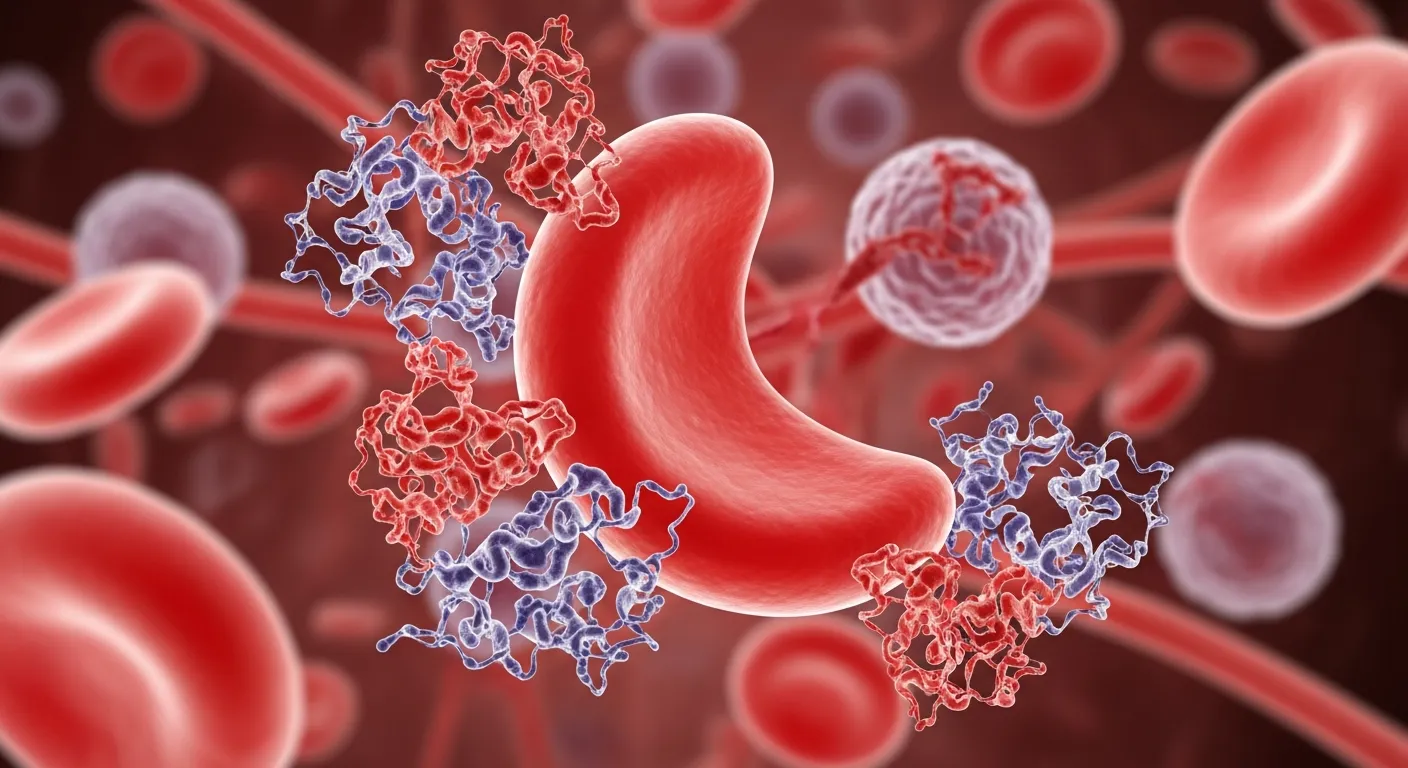
HbH disease is a form of alpha thalassemia caused by reduced alpha-globin production, leading to anemia and abnormal hemoglobin formation. It can cause fatigue, pale skin, and enlarged spleen, requiring regular medical monitoring and supportive treatment.
The Genetics of Alpha-Thalassemia and HbH Disease
To truly understand this condition, you have to look closely at human DNA. The blueprint for healthy blood relies on a precise combination of genetic instructions passed down from both parents.
Basics of alpha-globin genes
Healthy adult hemoglobin requires a perfect balance of two protein types: alpha-globin chains and beta-globin chains. The production of the alpha-globin chains is controlled by four specific genes. You inherit two of these genes from your mother and two from your father. When all four genes function correctly, your body produces the exact amount of alpha-globin needed to form stable, efficient hemoglobin.
How gene deletions lead to hbh disease
Problems arise when one or more of these four alpha-globin genes are missing or mutated. In the case of hbh disease, a person is missing three of the four necessary genes. With only one functioning alpha-globin gene left, the body cannot produce enough alpha chains to match the beta chains.
Without enough alpha chains to pair with, the excess beta chains clump together. They form abnormal clusters called Hemoglobin H. These abnormal clusters do not deliver oxygen effectively. Furthermore, they are highly unstable and gradually damage the red blood cell from the inside out.
The spectrum of alpha-thalassemia severity
Alpha-thalassemia exists on a sliding scale based entirely on how many genes a person is missing. If you are missing just one gene, you are a silent carrier with no symptoms. Missing two genes results in alpha thalassemia minor, a mild trait that causes slight red blood cell changes but rarely requires medical treatment. Missing three genes causes the moderate to severe symptoms of hbh disease. If a fetus is missing all four genes, the condition is usually fatal before or shortly after birth.
Symptoms and Diagnosis of HbH Disease
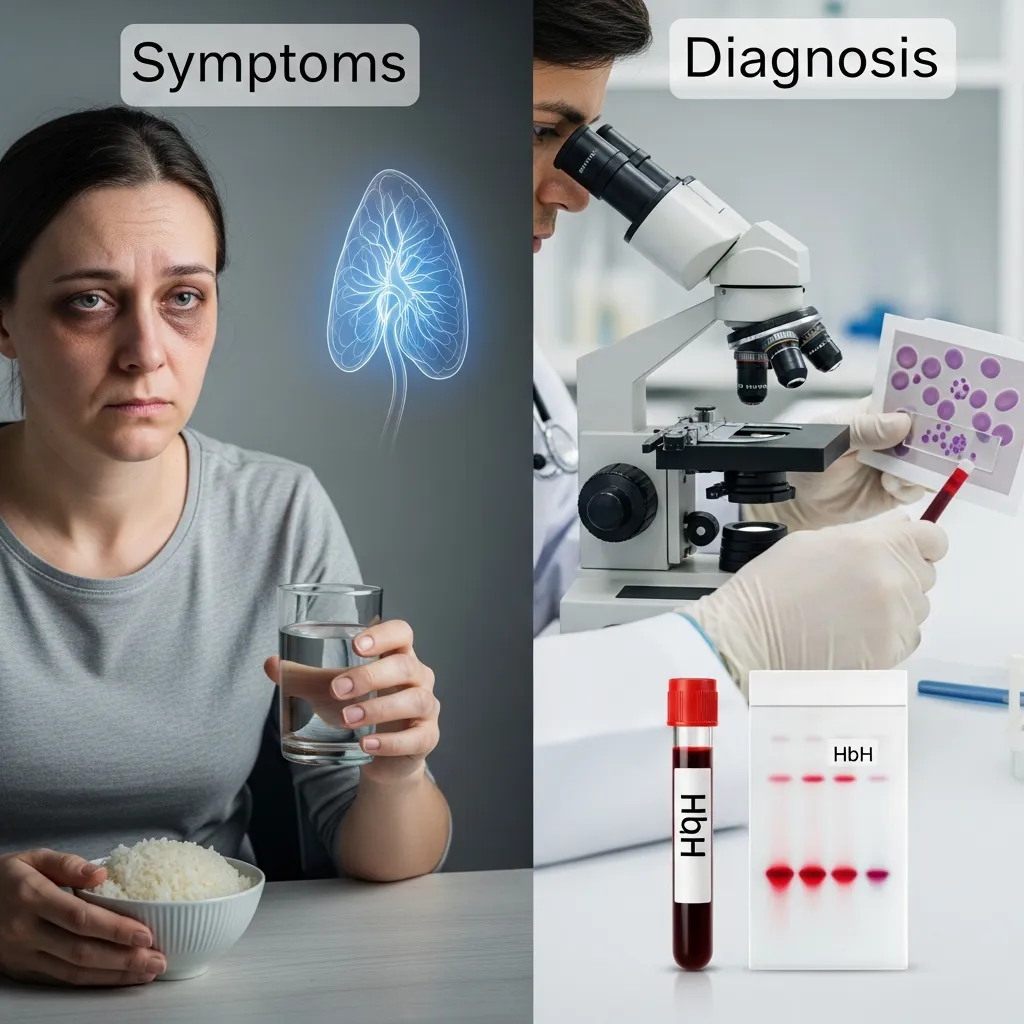 The physical signs of this disorder vary significantly from person to person. Recognizing these symptoms early can help doctors provide the right supportive care.
Common symptoms
Because the abnormal Hemoglobin H damages red blood cells, the cells break down much faster than the body can replace them. This rapid destruction causes chronic hemolytic anemia. Patients frequently experience fatigue, weakness, and a noticeably pale complexion.
When red blood cells break down, they release a yellow substance called bilirubin. High levels of bilirubin can cause jaundice, giving the skin and the whites of the eyes a yellowish tint. Additionally, the spleen works overtime to filter out these damaged red blood cells. This heavy workload causes the spleen to enlarge, a painful condition known as splenomegaly.
Diagnostic tests: CBC, hemoglobin electrophoresis, genetic testing
Doctors rely on specific blood tests to confirm a diagnosis. A Complete Blood Count (CBC) will show a low red blood cell count, and the existing cells often look unusually small and pale.
If the CBC indicates a problem, doctors usually perform a hemoglobin electrophoresis test. This test separates the different types of hemoglobin in the blood, allowing doctors to detect the presence of the abnormal Hemoglobin H clusters. For an absolute, definitive diagnosis, targeted DNA testing is used to map the genes and confirm exactly how many alpha-globin genes are missing.
Differentiating hbh disease from other anemias
Because the red blood cells are small and pale, doctors sometimes confuse this genetic condition with simple iron deficiency anemia. Taking iron supplements will not cure a genetic missing gene. In fact, taking unnecessary iron can cause dangerous buildup in the organs. Accurate genetic and hemoglobin testing ensures patients receive the correct diagnosis and avoid harmful treatments.
Complications Associated with HbH Disease
Without careful management, the rapid turnover of red blood cells can lead to several long-term health complications affecting various organ systems.
Anemia-related complications
The body naturally tries to fix the chronic anemia by forcing the bone marrow to produce more red blood cells. Over time, this massive expansion of bone marrow causes the bones to become thin and brittle. It can lead to noticeable changes in facial bone structure and increases the overall risk of fractures. In young children, the immense energy required to constantly produce new blood cells can sometimes cause delayed physical growth and late puberty.
Iron overload and its management
Even if a patient does not receive regular blood transfusions, the body naturally absorbs extra iron from food to try and combat the anemia. Because humans have no natural way to excrete excess iron, it begins to build up in the liver, heart, and endocrine glands. This iron overload is toxic and can cause severe organ damage over time.
Splenic issues and hypersplenism
An enlarged spleen is more than just uncomfortable. As the spleen grows larger, it can become hyperactive. A hyperactive spleen, or hypersplenism, starts destroying healthy red blood cells, white blood cells, and platelets alongside the damaged ones. This worsens the anemia and severely weakens the immune system.
Management and Treatment Options for HbH Disease
 While there is no simple cure for missing genes, modern medicine provides several highly effective ways to manage the condition and protect a patient’s overall health.
Regular monitoring and supportive care
The foundation of good treatment is consistent monitoring by a hematologist. Patients need regular blood tests to check their hemoglobin levels, liver function, and iron stores. Doctors also closely monitor bone health and spleen size to catch any complications before they become severe.
Blood transfusions: when and why
Many individuals with this condition only need blood transfusions during times of severe stress. Illnesses, severe infections, or pregnancy can cause hemoglobin levels to drop dangerously low. During these high-stress periods, a blood transfusion provides a necessary supply of healthy red blood cells to stabilize the patient.
Iron chelation therapy
If blood tests show that iron levels are becoming dangerously high, doctors will prescribe iron chelation therapy. These specific medications bind to the excess iron in the bloodstream and help the body remove it through urine or stool. The National Institutes of Health (NIH) emphasizes that controlling iron levels is one of the most critical steps in preventing long-term organ damage for thalassemia patients.
Splenectomy: considerations and outcomes
When an enlarged spleen causes extreme pain or begins destroying too many healthy blood cells, a surgeon may need to remove it. This procedure is called a splenectomy. Removing the spleen can significantly improve hemoglobin levels and reduce the need for blood transfusions. However, the spleen plays a major role in fighting infections. Patients without a spleen face a lifelong risk of severe bacterial infections and must follow strict vaccination schedules.
Emerging therapies and research
Medical researchers are constantly looking for better treatments. Current clinical trials are exploring gene editing technologies like CRISPR, which aim to correct the genetic defect at a cellular level. Other researchers are testing new drugs designed to help red blood cells mature properly, potentially reducing the severe anemia altogether.
Living with HbH Disease: Daily Management and Lifestyle
Medical treatments are only part of the equation. Daily habits and lifestyle choices play a massive role in maintaining energy levels and protecting long-term health.
Dietary considerations and nutritional support
Eating a well-balanced diet supports healthy blood production. Patients should eat foods rich in folic acid, like leafy greens and beans, because the body uses folate rapidly to make new red blood cells. At the same time, patients must be careful with iron. Avoiding highly iron-fortified cereals and taking vitamin C only between meals can help limit the amount of iron the digestive system absorbs. You can find more helpful daily strategies by reviewing a comprehensive thalassemia management guide.
Exercise and activity levels
Staying active is highly encouraged, but it requires a balanced approach. Moderate, low-impact exercises like walking, swimming, or cycling help maintain cardiovascular health and strong bones. However, patients should listen to their bodies. Pushing through extreme fatigue can worsen anemia symptoms. Rest is just as important as movement.
Psychological and emotional well-being
Living with a chronic genetic disorder can be mentally exhausting. The stress of medical appointments, fatigue, and the fear of complications can take a heavy toll. Connecting with support groups, seeking counseling, and maintaining open communication with friends and family are vital steps for preserving mental health.
Importance of a multidisciplinary care team
No single doctor can manage all the complexities of a genetic blood disorder. Patients benefit most from a multidisciplinary care team. This team usually includes a hematologist for blood care, a cardiologist to monitor the heart, an endocrinologist to watch hormone and bone health, and a dietitian to guide nutritional choices.
Outlook and Prognosis for Individuals with HbH Disease
The future for people born with this condition looks brighter today than ever before. With proactive care, most patients live long, active lives.
Long-term management and quality of life
Because severity varies, the long-term outlook depends heavily on the individual. Some people experience very few disruptions to their daily routines. Others may need more frequent medical interventions. Regardless of severity, strict adherence to medical advice, regular check-ups, and careful iron monitoring consistently lead to a higher quality of life.
Advances in treatment and care
The medical community has made massive strides in understanding how to manage hemolytic anemias safely. Improved blood screening makes transfusions safer. Advanced chelation medications are now easier to take and have fewer side effects, making iron management much more successful for patients globally.
The importance of ongoing research and advocacy
Advocacy groups play a crucial role in securing funding for research and supporting affected families. By raising public awareness about genetic screening, these organizations help prevent severe cases and ensure current patients get the resources they need. Continued research is the key to eventually turning emerging gene therapies into accessible cures.
Taking Control of Your Journey with HbH Disease
 A diagnosis of hbh disease introduces a unique set of challenges, but it does not have to define your entire life. By understanding the genetics behind the missing alpha-globin genes, you can better understand your body’s specific needs. You now know why the abnormal hemoglobin causes anemia, how an enlarged spleen affects your health, and why managing your iron intake is absolutely critical.
Empower yourself by working closely with a specialized medical team. Ask questions during your appointments, keep detailed records of your blood test results, and do not hesitate to seek support for your mental well-being. Modern medical care provides excellent tools for managing this condition, allowing you to focus on your personal goals and daily happiness.
If you or a loved one have recently been diagnosed, education is your strongest defense. You can explore more detailed information regarding causes, care routines, and family planning by reading our extensive guide on understanding hemoglobin h disease. Take proactive steps today to secure a healthier, more confident tomorrow.
