



Thalassemia lifestyle management tips focus on building healthy daily habits that support medical treatment and improve quality of life. By following proper nutrition, safe exercise, adequate rest, regular check-ups, and emotional support strategies, patients can better manage symptoms and reduce complications. These lifestyle practices help individuals with thalassemia live healthier, more balanced, and fulfilling lives.
 Before adopting any new health regimen, you must clearly understand your specific genetic diagnosis. Thalassemia is a spectrum, and your daily needs depend heavily on how many hemoglobin genes are affected.
What you eat directly impacts how your body manufactures blood cells. A targeted approach to nutrition can help you maintain stable energy levels while avoiding dangerous complications.
Iron Management (Foods to Avoid/Include)
One of the most critical aspects of eating with thalassemia is managing your iron intake. The body naturally attempts to combat anemia by absorbing more iron from food. Unfortunately, humans lack a natural mechanism to excrete excess iron, which can lead to toxic buildup in vital organs. You should avoid highly iron-fortified cereals, excessive red meat, and taking over-the-counter iron supplements unless explicitly instructed by a doctor. Consuming tea or coffee with meals can safely reduce the amount of iron your body absorbs from plant-based foods.
Folic Acid and Other Essential Nutrients
Your bone marrow requires specific building blocks to constantly produce new red blood cells. Folic acid, or folate, is an essential B-vitamin that supports this rapid cell turnover. Incorporate plenty of dark leafy greens, lentils, beans, and citrus fruits into your weekly meal plans. Additionally, vitamin E, calcium, and zinc support red blood cell structure and protect against rapid cell destruction. A clinical dietitian can help you build a menu tailored to your specific nutritional needs.
Hydration and Overall Nutritional Health
Drinking enough water supports optimal blood volume and circulation. Proper hydration helps your kidneys flush out the cellular waste created by the rapid breakdown of abnormal red blood cells. Aim for at least eight glasses of water daily, adjusting for climate and physical activity levels. Pairing good hydration with a diet rich in fresh produce, lean proteins, and whole grains creates an ideal environment for your cardiovascular system to operate efficiently.
Exercise and Physical Activity
Staying active supports your heart, lungs, and bones. The key is to exercise in a way that respects your body’s oxygen-carrying capacity.
Finding the Right Balance
Your red blood cells might be smaller or fewer in number, meaning your muscles might not get oxygen as quickly as someone without the condition. Listen closely to your body. Push yourself enough to break a sweat, but stop if you feel dizzy, excessively breathless, or completely drained. The objective is to build endurance gradually without depleting your daily energy reserves.
Safe Exercise Practices
Low-impact exercises offer excellent cardiovascular benefits without causing undue stress. Swimming, brisk walking, cycling, and yoga are highly recommended. If you have an enlarged spleen—a common complication in moderate to severe forms of the disorder—you must avoid contact sports like football or martial arts to prevent a dangerous splenic rupture. Always warm up properly and keep a water bottle nearby.
Benefits of Regular Activity
Consistent movement strengthens the heart muscle, making it more efficient at pumping blood. It also improves bone density, which is crucial because severe anemia can cause the bone marrow to expand and thin the surrounding bone tissue. Furthermore, exercise releases endorphins, acting as a natural mood elevator and stress reliever.
Managing Fatigue and Energy Levels
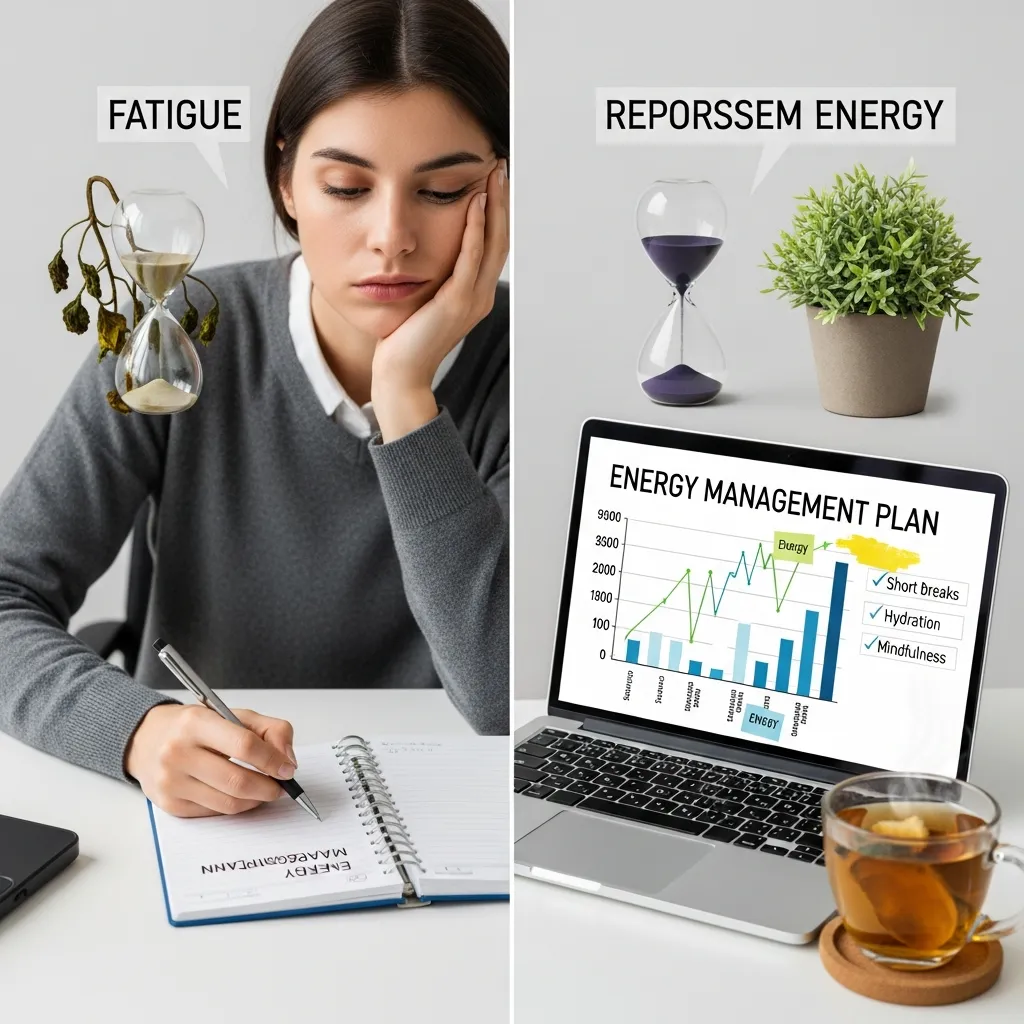 Chronic fatigue is a frequent companion for those living with an active blood disorder. Structuring your day to preserve your energy can dramatically improve your quality of life.
Prioritizing Rest and Sleep
Sleep is the time when your body repairs tissue and consolidates energy. Aim for seven to nine hours of high-quality sleep each night. Establish a calming pre-sleep routine, keep your bedroom cool and dark, and avoid screens an hour before bed. If you experience severe midday fatigue, a short 20-minute nap can provide a helpful reset without disrupting your nighttime sleep cycle.
Energy Conservation Techniques
Pacing yourself prevents you from crashing halfway through the week. Break large tasks into smaller, manageable chunks. If you have a demanding physical task to complete, schedule it for the time of day when your energy naturally peaks. Do not hesitate to sit down while completing household chores like folding laundry or prepping vegetables for dinner.
Strategies for Combating Thalassemia-Related Fatigue
When anemia-induced fatigue hits, rapid fixes rarely work. Avoid relying heavily on sugary snacks or energy drinks, as these cause a sharp blood sugar spike followed by a severe crash. Instead, focus on sustained energy sources like complex carbohydrates and proteins. Practice deep breathing exercises to maximize the oxygen entering your lungs, giving your red blood cells the best possible chance to distribute it effectively.
Emotional Well-being and Mental Health
Living with a chronic genetic condition requires mental resilience. Protecting your emotional health is just as important as monitoring your hemoglobin levels.
Coping with a Chronic Condition
Accepting that your body works a little differently can be frustrating. You might experience periods of anger, anxiety, or grief, especially if your symptoms interfere with your plans. Acknowledge these feelings rather than pushing them away. Educating yourself about the science behind your blood cells can often replace fear with a sense of control and predictability.
Seeking Support (Therapy, Support Groups)
You do not have to carry the mental load alone. Speaking with a licensed therapist can provide you with coping mechanisms tailored to chronic illness management. Furthermore, joining a patient advocacy group connects you with people who genuinely understand your daily experiences. Sharing strategies and stories with a community often reduces feelings of isolation. Organizations like the Centers for Disease Control and Prevention (CDC) offer excellent directories for finding reputable support networks.
Mindfulness and Stress Reduction Techniques
High stress levels trigger the release of cortisol, which can increase inflammation and exacerbate physical fatigue. Incorporate mindfulness practices into your routine to keep stress at a minimum. Meditation, guided imagery, and progressive muscle relaxation require only a few minutes a day but offer significant benefits for your nervous system.
Regular Medical Care and Monitoring
Consistent medical supervision ensures that small biological shifts are addressed before they become significant health hurdles.
Adhering to Treatment Plans
If your doctor prescribes folic acid supplements, iron chelation therapy, or a regular transfusion schedule, follow those instructions diligently. Skipping treatments can lead to rapid health declines or severe organ damage from iron overload. Keep a dedicated calendar to track your medications and scheduled hospital visits.
Importance of Regular Check-ups and Blood Tests
Routine blood work provides a vital window into your internal health. Your healthcare provider will monitor your hemoglobin levels, liver function, and ferritin (iron) stores. For those with moderate to severe forms, annual cardiac MRIs and bone density scans are essential to catch any secondary complications early. To understand the full scope of genetic research and testing standards, you can review resources provided by the National Institutes of Health (NIH).
Communication with Your Healthcare Team
Your relationship with your hematologist should be a collaborative partnership. Keep a symptom journal noting any unusual fatigue, pain, or changes in your skin tone, and bring this log to your appointments. Ask questions if a test result confuses you, and make sure any new doctors you see are fully aware of your specific thalassemia status.

Conclusion
Following thalassemia lifestyle management tips is essential for improving daily well-being and long-term health outcomes. With the right balance of medical care, nutrition, rest, exercise, and emotional support, individuals with thalassemia can manage their condition more effectively. A proactive and informed approach not only reduces complications but also helps patients live healthier, more confident, and more fulfilling lives.
FAQ
1. What are thalassemia lifestyle management tips?
They are daily habits and routines that help people with thalassemia manage symptoms, improve energy, and maintain better overall health.
2. Why is lifestyle management important in thalassemia?
It helps reduce complications, supports medical treatments, and improves quality of life alongside regular clinical care.
3. What diet is best for thalassemia patients?
A balanced diet rich in folate, calcium, and vitamins is recommended, while avoiding excessive iron intake unless advised by a doctor.
4. Can exercise help people with thalassemia?
Yes, light to moderate exercise can improve energy levels, mood, and heart health when done safely.
5. How important is rest in thalassemia management?
Rest is essential because fatigue is a common symptom, and proper sleep helps the body recover and function better.
6. Should thalassemia patients take iron supplements?
Not without medical advice, as many patients already have iron overload from transfusions.
7. How can mental health be supported?
Counseling, support groups, and open communication with family can greatly help manage emotional stress.
8. How often should medical check-ups be done?
Regular check-ups are important and should follow the schedule recommended by a hematologist.
9. Can thalassemia patients live a normal life?
Yes, with proper treatment and consistent lifestyle management, many patients lead active and fulfilling lives.
10. What is the most important daily habit for thalassemia care?
Following prescribed treatments and maintaining consistent healthy routines are the most important thalassemia lifestyle management tips.
