


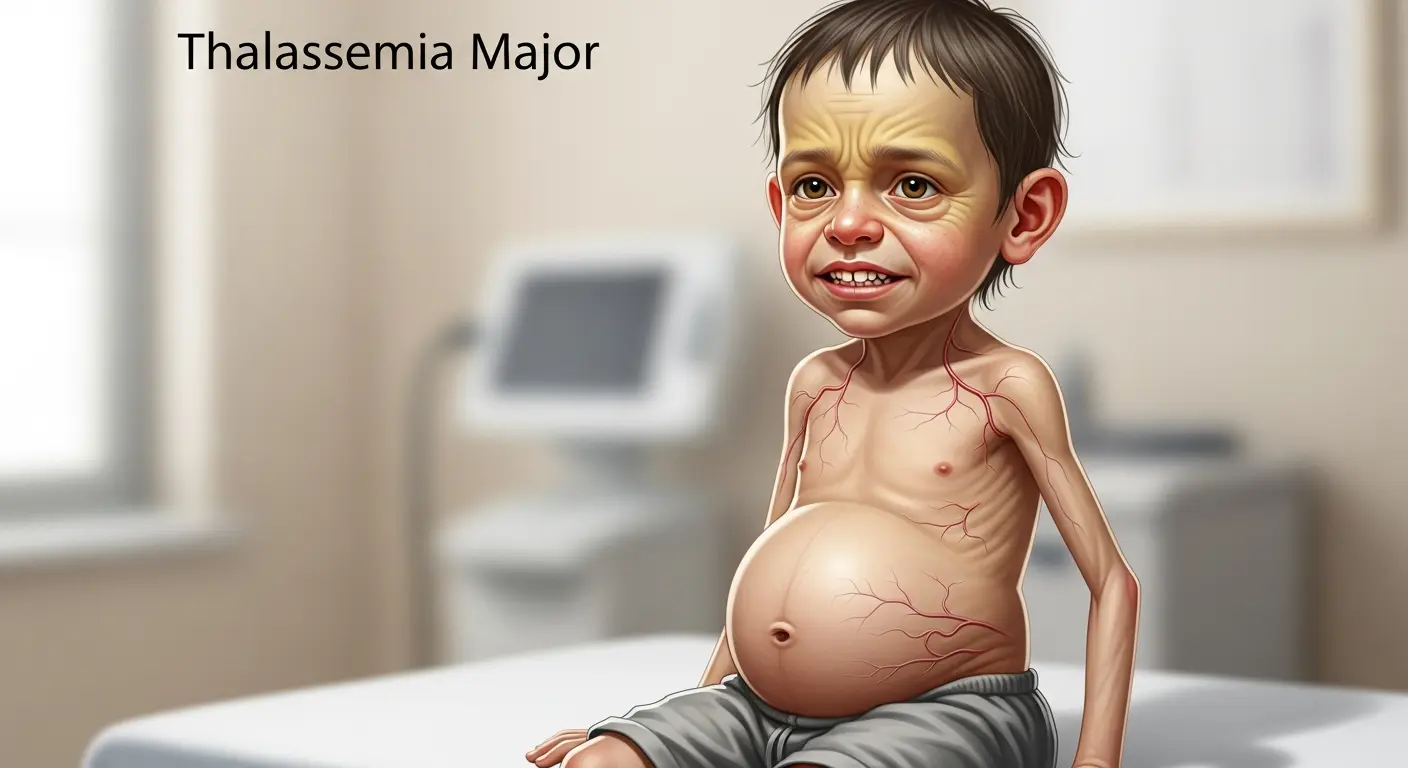
Alpha Thalassemia Minor is a mild form of alpha thalassemia caused by the deletion or mutation of one or two alpha-globin genes. Most people with this condition do not show symptoms or may only have very mild anemia. It is often discovered accidentally during routine blood tests. While it usually does not require treatment, proper diagnosis is important to distinguish it from other types of anemia and to understand the risk of passing the gene to future children.
To grasp how alpha thalassemia minor works, we must look at the blueprint of human cells. The production of hemoglobin is a carefully balanced process requiring specific genetic instructions.
Hemoglobin Production and the Alpha Globin Genes
Normal adult hemoglobin consists of four protein chains: two alpha chains and two beta chains. The production of these alpha chains is controlled by four specific genes. You inherit two of these alpha-globin genes from your mother and two from your father. When all four genes function correctly, your body produces an adequate and balanced amount of alpha-globin.
Understanding Gene Deletions
Alpha thalassemia occurs when one or more of these four genes are missing or mutated. The severity of the condition depends entirely on how many genes are affected.
If you are missing one gene, you are considered a silent carrier and usually show no symptoms. Alpha thalassemia minor occurs when two of the four genes are missing or non-functional. Because you still have two working genes, your body can produce enough alpha-globin for you to live a normal, healthy life. The missing genes simply cause a slight reduction in red blood cell size and a mild drop in overall hemoglobin levels.
Inheritance Patterns: How Alpha Thalassemia Minor is Passed Down
Since this is a genetic condition, it is passed from parents to children. The two missing genes in alpha thalassemia minor can be inherited in two different ways. You might inherit two missing genes from one parent and two normal genes from the other. Alternatively, you might inherit one missing gene from each parent. Both scenarios result in alpha thalassemia minor. Understanding your specific inheritance pattern is important when you decide to have children, as it dictates the likelihood of passing the trait to the next generation.
Symptoms and Clinical Presentation
 Most individuals with alpha thalassemia minor live completely normal lives without ever experiencing severe medical issues. However, knowing the subtle signs can help you advocate for your health.
Often Asymptomatic or Mild Anemia
Because the body still has two functional alpha-globin genes, it compensates well. Many people are completely asymptomatic. When symptoms do appear, they usually manifest as mild anemia. Your red blood cells might be slightly smaller than average, a condition known as microcytosis. This mild anemia rarely interferes with daily activities or physical exertion.
Distinguishing from Iron Deficiency Anemia
A major challenge for people with alpha thalassemia minor is misdiagnosis. Because the blood test results show mild anemia and smaller red blood cells, doctors frequently mistake the condition for iron deficiency anemia. Patients are often prescribed iron supplements to correct the perceived deficiency. However, an individual with alpha thalassemia minor usually has normal iron levels. Taking unnecessary iron supplements will not improve the anemia and can eventually lead to iron overload, which causes joint pain and organ damage.
Potential for Fatigue and Other Non-Specific Symptoms
While severe symptoms are rare, you might occasionally feel more tired than usual. This fatigue can become more pronounced during times of physical stress, illness, or pregnancy. Some individuals also report a slightly paler complexion. These non-specific symptoms are easy to overlook, which is why accurate medical testing is so important.
Diagnosis of Alpha Thalassemia Minor
An accurate diagnosis prevents unnecessary treatments and provides clarity for your future health decisions.
Complete Blood Count (CBC) and Red Blood Cell Indices
The diagnostic journey usually begins with a standard Complete Blood Count (CBC). This routine blood test measures the size, number, and maturity of your different blood cells. A person with alpha thalassemia minor will typically show a normal or slightly elevated red blood cell count, but a lower mean corpuscular volume (MCV). A low MCV simply means the red blood cells are smaller than usual.
Hemoglobin Electrophoresis: Limitations and Utility
If a CBC suggests thalassemia, doctors often order a hemoglobin electrophoresis test. This test measures the different types of hemoglobin in your blood. While it is highly effective at diagnosing beta thalassemia, it is often less useful for adults with alpha thalassemia minor. In many cases, an adult’s hemoglobin electrophoresis results will appear completely normal despite missing two alpha genes.
Genetic Testing for Definitive Diagnosis
The only way to definitively diagnose alpha thalassemia minor is through targeted genetic testing. DNA analysis can map your alpha-globin genes and pinpoint exactly how many are missing or mutated. This test removes all guesswork, ensuring you do not undergo unnecessary treatments for other types of anemia.
Living with Alpha Thalassemia Minor
A diagnosis of alpha thalassemia minor rarely requires you to alter your life drastically. You can participate in sports, pursue demanding careers, and enjoy an active lifestyle.
No Specific Treatment Required
Unlike more severe forms of the disorder, alpha thalassemia minor does not require regular blood transfusions or continuous medical interventions. The mild anemia associated with the trait is something your body naturally manages.
Importance of a Balanced Diet
While you do not need specific medical treatments, maintaining a nutrient-rich diet supports your overall blood health. Focus on eating a balanced diet full of fresh vegetables, lean proteins, and whole grains. Folic acid is particularly important, as it helps your body produce new red blood cells. Foods rich in folate include dark leafy greens, beans, and lentils.
Avoiding Unnecessary Iron Supplementation
As mentioned earlier, you should strictly avoid taking over-the-counter iron supplements unless a doctor has confirmed a genuine iron deficiency through a ferritin test. Excess iron can accumulate in your heart and liver, leading to serious long-term complications. Always remind new healthcare providers about your thalassemia trait before accepting an iron prescription.
Monitoring During Pregnancy
Pregnancy places extra demands on the body’s blood supply. Women with alpha thalassemia minor might experience a more noticeable drop in hemoglobin levels while pregnant. Regular monitoring by an obstetrician and a hematologist ensures that any significant anemia is managed safely.
Genetic Counseling and Family Planning
 The most significant impact of alpha thalassemia minor is how it affects your future children.
Understanding the Risk of More Severe Forms
If you have alpha thalassemia minor and your partner has normal hemoglobin genes, your children might inherit the trait, but they will not develop a severe form of the disease. However, if both you and your partner carry an alpha thalassemia trait, there is a risk of having a child with a severe condition, such as Hemoglobin H disease or alpha thalassemia major. Hemoglobin H disease causes significant health issues, while alpha thalassemia major is typically fatal before or shortly after birth.
Importance of Partner Screening
Before starting a family, your partner should undergo a CBC and, if necessary, genetic testing. Knowing both of your genetic statuses allows you to make informed decisions and prepare for any potential medical needs your child might have.
Prenatal Diagnosis Options
If both partners are carriers of an alpha thalassemia mutation, specialized prenatal testing is available. Procedures such as chorionic villus sampling (CVS) or amniocentesis can determine the genetic status of the fetus early in the pregnancy. Genetic counselors can walk you through these options, providing support and expert guidance.
Alpha Thalassemia Minor vs. Beta Thalassemia Minor
People frequently confuse the different types of thalassemia. While they share similarities, they originate from different genetic mutations.
Key Differences in Genetics and Presentation
Alpha thalassemia affects the alpha-globin chains, whereas beta thalassemia minor involves mutations in the beta-globin genes. A hemoglobin electrophoresis test easily detects beta thalassemia minor, but it often misses alpha thalassemia minor in adults.
Similarities in Management Approaches
Despite the genetic differences, the daily management for both minor traits is nearly identical. Both conditions cause mild, often asymptomatic anemia. Both require individuals to avoid unnecessary iron supplements and focus on a healthy, balanced diet. Both also require careful family planning and partner screening.
Global Prevalence and Impact
Thalassemia is one of the most common genetic disorders worldwide. Understanding its global footprint helps public health organizations allocate resources effectively.
Geographical Distribution
According to the Centers for Disease Control and Prevention (CDC), alpha thalassemia is most prevalent in populations originating from Southeast Asia, Southern China, the Middle East, and Africa. The mutation likely evolved as a protective mechanism against severe malaria, which is why it remains highly concentrated in these specific geographical regions.
Public Health Significance
Due to global migration, alpha thalassemia is now found worldwide. Public health initiatives focus on educating medical professionals to recognize the trait, preventing the misdiagnosis of iron deficiency anemia, and providing accessible genetic screening for at-risk populations.
Research and Future Directions
The medical community continues to study hemoglobin disorders to improve diagnostic tools and support for patients.
Advances in Genetic Understanding
Researchers are continually mapping the specific genetic deletions and mutations that cause alpha thalassemia. This growing database of genetic knowledge allows for faster, cheaper, and more accurate DNA testing.
Potential Therapeutic Strategies
While alpha thalassemia minor does not require treatment, research into gene editing technologies like CRISPR holds promise for individuals with severe forms of the disease. By understanding the mild trait, scientists gain valuable insights into how the body compensates for genetic hemoglobin defects, which could eventually lead to cures for major blood disorders.
Navigating Your Health Journey
 Alpha thalassemia minor is a highly manageable genetic trait that rarely interferes with a long, healthy life. It is important to understand that this condition is inherited and related to the production of hemoglobin, rather than a nutritional deficiency. By understanding the underlying genetics, you can better interpret your blood test results and avoid the common pitfall of unnecessary iron supplementation, which is often prescribed when mild anemia is misdiagnosed as iron deficiency.
Many individuals discover alpha thalassemia minor during routine health screenings, which can sometimes lead to confusion or unnecessary concern. However, once properly identified, it becomes much easier to distinguish it from other blood conditions. This awareness helps patients and doctors make more accurate decisions regarding long-term health management.
Take proactive steps by keeping a record of your blood work and discussing your diagnosis openly with your healthcare providers. Regular monitoring helps ensure that no other underlying conditions are overlooked. If you are planning to grow your family, prioritizing genetic screening for your partner is especially important, as it helps assess the risk of passing more severe forms of thalassemia to children.
Lifestyle management is generally simple, focusing on maintaining a balanced diet, staying informed, and avoiding unnecessary medications unless advised by a healthcare professional. Support from genetic counselors or specialists can also provide clarity and peace of mind.
Armed with the right information, you can confidently manage your health and make informed decisions that benefit both you and future generations.
