

Close Menu

    Subscribe to Updates

    Get the latest creative news from FooBar about art, design and business.

    What's Hot

    HbH Disease Complications: A Complete Guide

    June 30, 2026

    HbH Disease Symptoms Explained: A Complete Guide

    June 28, 2026

    Mild Alpha Thalassemia: Symptoms, Diagnosis, and Care

    June 27, 2026
    Facebook X (Twitter) Instagram
    My BlogMy Blog
    Facebook X (Twitter) Instagram
    • Homepage
    • Health & Wellness
    • Thalassemia Awareness
    • Thalassemia Tips
    My BlogMy Blog
    Home»Thalassemia Awareness»Thalassemia Diagnosis Methods: Complete Guide to Testing and Early Detection
    Thalassemia Awareness

    Thalassemia Diagnosis Methods: Complete Guide to Testing and Early Detection

    adminBy adminJune 22, 2026No Comments12 Mins Read
    Facebook Twitter Pinterest LinkedIn Tumblr Reddit WhatsApp Email
    Thalassemia Diagnosis Methods
    Share
    Facebook Twitter LinkedIn Pinterest WhatsApp Email

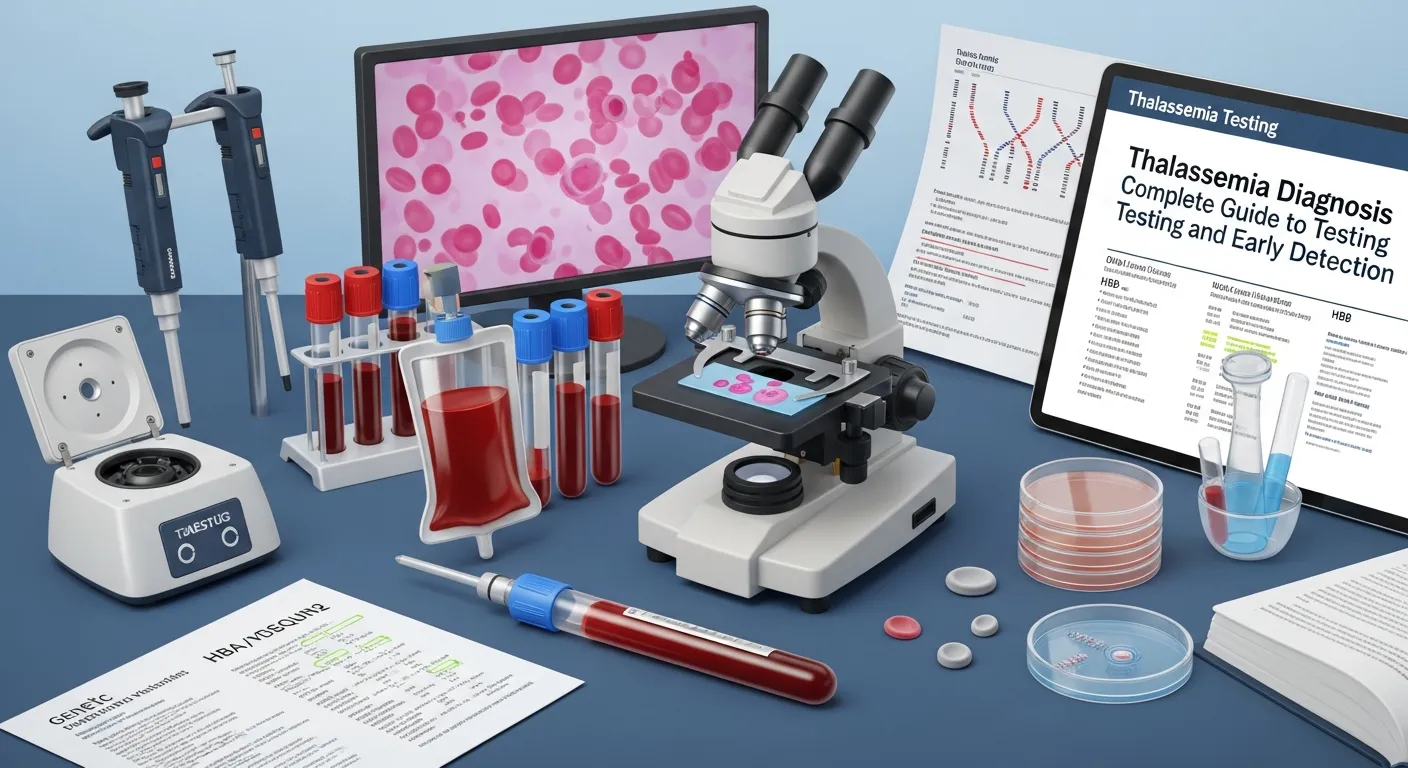
    Thalassemia diagnosis methods include blood tests, hemoglobin electrophoresis, and genetic testing. These tools help detect the condition early, confirm an accurate diagnosis, and guide proper treatment and long-term management for patients with thalassemia.

    Thalassemia diagnosis methods play a crucial role in identifying blood disorders early, allowing timely treatment and significantly improving patient outcomes. Thalassemia is a genetic blood disorder that affects hemoglobin production, leading to chronic anemia, fatigue, and various complications. Because its symptoms often resemble iron deficiency anemia and other blood conditions, accurate diagnostic testing is essential for correct identification and proper management.

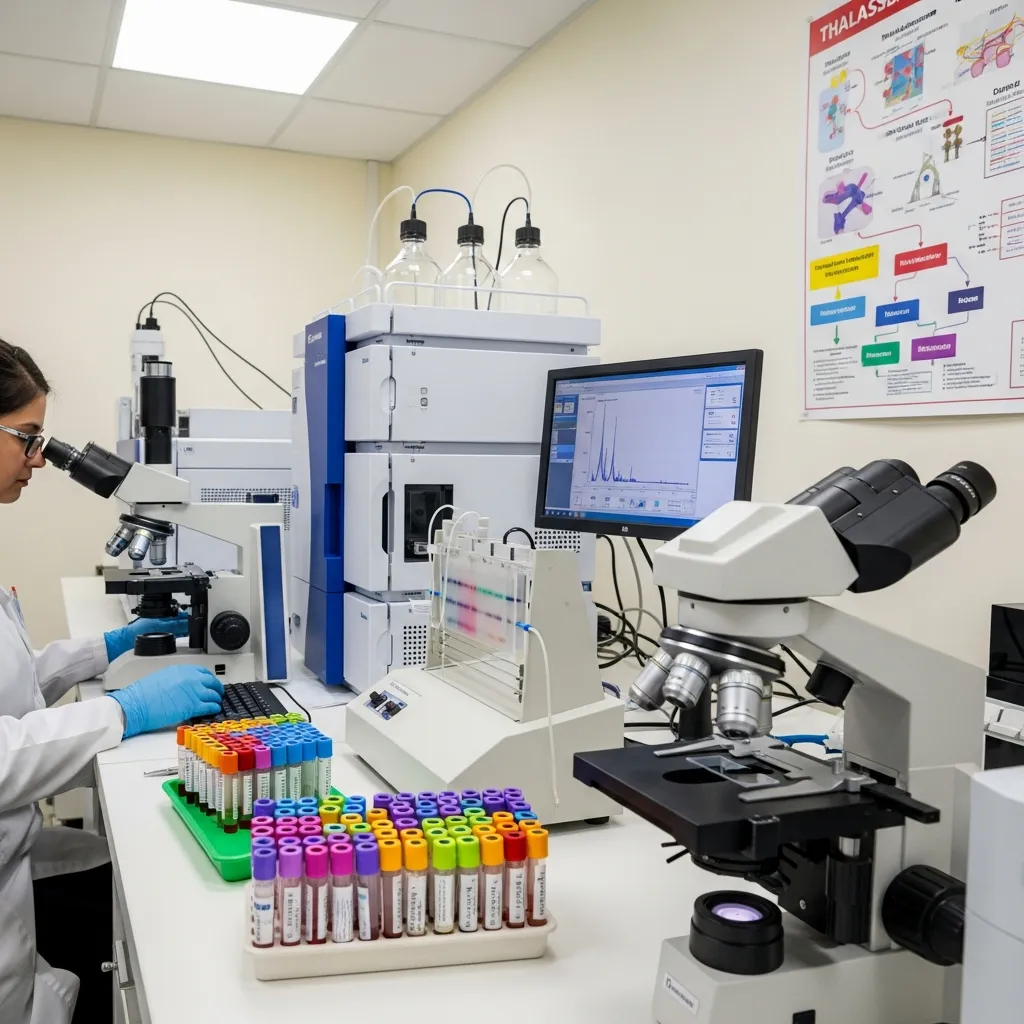
    Modern medical science provides several reliable Thalassemia diagnosis methods, including blood analysis, hemoglobin studies, and advanced genetic testing. Each method offers valuable insight into red blood cell structure, hemoglobin composition, and the severity of the disorder. Understanding these diagnostic tools helps patients, families, and healthcare providers ensure early detection and prevent long-term complications such as organ damage, growth delays, and severe anemia-related health risks.

    Why Early Diagnosis of Thalassemia Matters

    Early detection is extremely important because it helps prevent severe anemia complications, reduces long-term organ damage, and allows timely treatment planning. It also supports genetic counseling for families, helping them understand inheritance risks and make informed reproductive decisions. In addition, early diagnosis improves overall quality of life by ensuring proper monitoring, regular follow-ups, and personalized treatment strategies.

    Another key benefit of early testing is distinguishing thalassemia from iron deficiency anemia, which are often confused due to similar symptoms such as weakness, pale skin, dizziness, and fatigue. Without proper diagnosis, patients may receive incorrect iron supplementation, which does not treat thalassemia and may sometimes worsen iron overload conditions.

    This is why Thalassemia blood test diagnosis is usually the first step in the diagnostic process. It is followed by confirmatory testing such as Hemoglobin electrophoresis test for thalassemia, which identifies abnormal hemoglobin patterns and helps classify the type of thalassemia. Finally, Genetic testing for thalassemia confirms specific gene mutations, identifies carrier status, and provides precise information for family planning and long-term disease management.

    Together, these Thalassemia diagnosis methods form a complete diagnostic pathway that ensures accurate detection, early intervention, and better long-term health outcomes for patients.

    Main Thalassemia Diagnosis Methods

    Thalassemia diagnosis methods overview

    1. Thalassemia Blood Test Diagnosis

    One of the most common Thalassemia diagnosis methods is the complete blood count (CBC) test. It is usually the first screening tool used by doctors when anemia or thalassemia is suspected. CBC provides initial clues about abnormal red blood cell production and helps guide further testing.

    What CBC Shows:

    • Low hemoglobin levels
    • Small red blood cells (microcytosis)
    • Reduced mean corpuscular volume (MCV)
    • Low mean corpuscular hemoglobin (MCH)

    These findings strongly suggest abnormal red blood cell formation, which is often linked to thalassemia. However, CBC alone cannot confirm the disease. It only indicates the possibility of a hemoglobin disorder, meaning further testing is always required for confirmation.

    šŸ‘‰ Learn more:
    Thalassemia Blood Test Guide

    šŸ‘‰ Related reading:
    Thalassemia Blood Tests Guide

    2. Hemoglobin Electrophoresis Test for Thalassemia

    Another essential method among Thalassemia diagnosis methods is hemoglobin electrophoresis. This diagnostic test plays a key role in confirming and classifying different types of thalassemia by analyzing hemoglobin composition in the blood.

    This test separates and measures different hemoglobin types, helping doctors detect abnormal patterns that are not visible through routine blood tests.

    What It Detects:

    • Abnormal hemoglobin variants
    • Reduced hemoglobin A levels
    • Increased HbA2 (commonly seen in beta thalassemia trait)
    • Presence of HbF (fetal hemoglobin)

    Why It Is Important:

    Hemoglobin electrophoresis is critical because it helps distinguish between:

    • Alpha thalassemia
    • Beta thalassemia
    • Other related hemoglobin disorders

    It is especially important for confirming diagnosis after initial screening with CBC. In many clinical settings, the Hemoglobin electrophoresis test for thalassemia is considered a standard confirmatory test due to its high accuracy and reliability.

    Additionally, this test helps doctors assess disease severity and decide whether further genetic testing or long-term monitoring is needed.

    šŸ‘‰ Learn more:
    Alpha vs Beta Thalassemia Guide

    3. Genetic Testing for Thalassemia

    Genetic testing is one of the most advanced and precise Thalassemia diagnosis methods available today. Unlike routine blood tests, it directly examines DNA to identify mutations in the alpha or beta globin genes responsible for thalassemia.

    This method provides a definitive diagnosis and is especially useful when other tests give unclear results.

    Benefits of Genetic Testing:

    • Confirms exact mutation type
    • Identifies carrier status
    • Helps in family planning and genetic counseling
    • Predicts disease severity and inheritance risk

    When It Is Used:

    • When CBC and electrophoresis results are inconclusive
    • For prenatal diagnosis during pregnancy
    • For family screening in high-risk groups
    • For detecting silent carriers with no symptoms

    Genetic testing is especially valuable because many carriers of thalassemia show no symptoms but can still pass the condition to their children. Early identification helps families make informed reproductive choices and reduces the risk of severe thalassemia in future generations.

    Learn more about genetic insights: Thalassemia Awareness Complete Guide
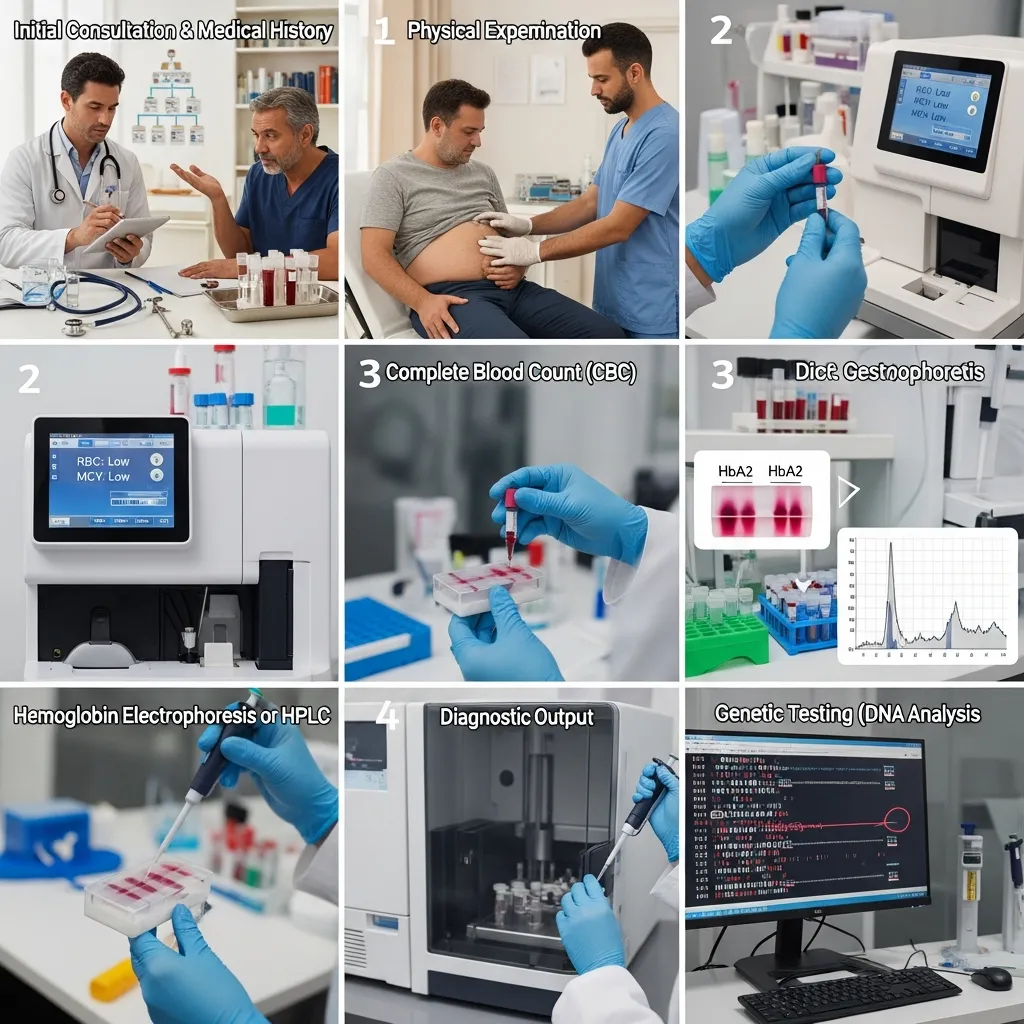
    Step-by-Step Process of Thalassemia Diagnosis

    Thalassemia diagnosis stepsUnderstanding how Thalassemia diagnosis methods are applied in real clinical practice helps make the diagnostic pathway clear and structured. Doctors usually follow a stepwise approach to ensure accurate identification of the condition and to avoid misdiagnosis.

    Step 1: Initial Screening (CBC Test)

    The process begins with a Complete Blood Count (CBC) test. This is the most common starting point for evaluating anemia and suspected thalassemia. Doctors carefully analyze hemoglobin levels, red blood cell size, and overall blood indices. If results show microcytic anemia or abnormal red blood cell patterns, further testing is recommended.

    Step 2: Hemoglobin Analysis

    If CBC findings suggest thalassemia, the next step is hemoglobin analysis using hemoglobin electrophoresis. This test evaluates the types and proportions of hemoglobin in the blood. It helps detect abnormal hemoglobin variants and provides deeper insight into whether the patient may have alpha or beta thalassemia.

    Step 3: Confirmation Testing

    Genetic testing is performed when confirmation is needed. This is one of the most accurate Thalassemia diagnosis methods because it directly identifies mutations in globin genes. It confirms the exact type of thalassemia and helps predict disease severity, inheritance pattern, and carrier status.

    Step 4: Family Screening

    Once a diagnosis is confirmed, family members may also be screened. This is important because thalassemia is inherited. Early detection in relatives helps prevent the birth of children with severe forms of the disease through proper genetic counseling.

    Types of Thalassemia Identified Through Diagnosis

    Using Thalassemia diagnosis methods, doctors can classify the condition into several types based on genetic and clinical findings.

    Alpha Thalassemia

    Caused by reduced or missing alpha globin production, leading to varying levels of anemia depending on the number of affected genes.

    Beta Thalassemia

    Caused by reduced beta globin production, often resulting in more noticeable symptoms and anemia severity.

    Thalassemia Trait (Carrier State)

    Individuals carry one mutated gene but usually show mild or no symptoms. However, they can still pass the gene to their children.

    šŸ‘‰ Read more:
    Types of Thalassemia Guide

    Role of Blood Tests in Diagnosis

    Blood-based screening remains the foundation of Thalassemia blood test diagnosis and is essential in early detection. These tests provide the first indication that something is abnormal in red blood cell production.

    Blood tests help identify:

    • Severity of anemia
    • Red blood cell size and structure abnormalities
    • Possible iron deficiency vs thalassemia distinction
    • Early warning signs of hemoglobin disorders

    This distinction is extremely important because iron deficiency anemia and thalassemia often present with similar symptoms such as fatigue, weakness, and pale skin. However, their treatment approaches are completely different. Iron supplementation helps iron deficiency anemia but is not effective for thalassemia and may even be harmful if misused.

    By combining CBC results with Hemoglobin electrophoresis test for thalassemia and genetic analysis, doctors can ensure an accurate diagnosis and avoid unnecessary or incorrect treatments.

    Importance of Hemoglobin Analysis

    Hemoglobin analysis is a core and essential part of Thalassemia diagnosis methods, especially when initial blood tests suggest abnormal red blood cell indices. This diagnostic step provides detailed information about the structure and composition of hemoglobin in the blood, helping doctors move from suspicion to a more accurate classification of the disorder.

    It plays a key role in understanding how well hemoglobin is functioning and whether it is capable of delivering oxygen efficiently throughout the body.

    It helps doctors:

    • Detect abnormal hemoglobin types
    • Confirm beta thalassemia trait
    • Evaluate oxygen-carrying efficiency
    • Differentiate thalassemia from other hemoglobin disorders
    • Assess disease severity in suspected cases

    Hemoglobin analysis is particularly important because many patients may have subtle or overlapping symptoms that cannot be explained by basic blood tests alone. Without this step, diagnosis may remain incomplete or inaccurate, leading to delayed treatment or mismanagement of the condition.

    In many clinical settings, hemoglobin analysis is combined with Hemoglobin electrophoresis test for thalassemia to improve diagnostic accuracy and provide a clearer picture of hemoglobin variants present in the bloodstream.

    Genetic Testing and Modern Medicine

    Modern healthcare strongly relies on genetic testing as one of the most precise Thalassemia diagnosis methods available today. Unlike routine blood investigations, genetic testing directly examines DNA to identify specific mutations in the alpha or beta globin genes responsible for thalassemia.

    This advancement has significantly improved early detection, especially in families with a known history of the disorder.

    In many countries, Genetic testing for thalassemia is becoming a routine part of prenatal care and family screening programs. It allows healthcare providers to detect carrier status even before symptoms appear, making it a powerful preventive tool.

    Advantages of genetic testing:

    • Early detection before birth
    • Prevention of severe thalassemia cases
    • Accurate identification of carrier status
    • Better genetic counseling for families
    • Improved reproductive decision-making
    • Personalized disease management planning

    By identifying mutations early, genetic testing helps reduce the risk of severe forms of thalassemia in future generations. It also supports parents in making informed decisions during pregnancy, especially when both partners are carriers.

    Challenges in Thalassemia Diagnosis

    Thalassemia diagnosis challengesDespite significant advancements in medical technology, several challenges still exist in applying Thalassemia diagnosis methods effectively, particularly in low-resource settings.

    One of the most common issues is misdiagnosis. Thalassemia is often confused with iron deficiency anemia because both conditions share similar symptoms such as fatigue, weakness, and pale skin. This can lead to incorrect treatment, especially unnecessary iron supplementation, which does not improve thalassemia and may sometimes cause complications.

    Other major challenges include:

    • Lack of awareness in the early stages of the disease
    • Limited access to genetic testing in rural or underdeveloped regions
    • Overlapping symptoms with other blood disorders
    • High cost of advanced diagnostic procedures
    • Inconsistent screening programs in some healthcare systems

    These challenges highlight the importance of improving awareness and accessibility of Thalassemia diagnosis methods globally. Early education, better screening programs, and wider availability of diagnostic tools can significantly reduce misdiagnosis and improve patient outcomes.

    Strengthening awareness and expanding diagnostic infrastructure ensures that more patients receive timely and accurate diagnosis, leading to better long-term management and improved quality of life.

    Conclusion

    Thalassemia diagnosis methods are essential for early detection and effective management of this genetic blood disorder. From simple blood tests to advanced genetic analysis, each diagnostic step provides valuable information about the condition.

    Early and accurate diagnosis helps prevent complications, guides treatment decisions, and supports family planning. As medical technology advances, genetic testing and hemoglobin analysis are becoming more accessible and precise, improving outcomes for patients worldwide.

    Understanding the thalassemia blood test diagnosis, the hemoglobin electrophoresis test for thalassemia, and Genetic testing for thalassemia ensures better awareness and timely medical care.

    Frequently Asked Questions (FAQs)

    1. What are the main thalassemia diagnosis methods?

    They include blood tests (CBC), hemoglobin electrophoresis, and genetic testing. Each method provides different levels of detail about red blood cell health. Doctors usually combine these tests for an accurate diagnosis. Together, they form a complete diagnostic pathway for thalassemia.

    2. Can a blood test detect thalassemia?

    Yes, a CBC test can show signs that suggest thalassemia. It detects low hemoglobin and small red blood cells. However, it cannot confirm the disease alone. Further testing is always required for final diagnosis.

    3. What is hemoglobin electrophoresis used for?

    It identifies abnormal hemoglobin types and confirms thalassemia. This test separates different hemoglobin fractions in blood. It is very useful for detecting beta thalassemia traits. Doctors rely on it for accurate classification.

    4. Is genetic testing necessary for thalassemia?

    Yes, it confirms mutations and identifies carrier status. It directly analyzes DNA for globin gene defects. It is the most precise diagnostic method available. It also helps in family planning decisions.

    5. Can thalassemia be confused with iron deficiency?

    Yes, both have similar symptoms like fatigue and pallor. This often leads to misdiagnosis in the early stages. Laboratory tests help clearly distinguish both conditions. Proper diagnosis ensures correct treatment.

    6. What is the most accurate diagnosis method?

    Genetic testing is considered the most accurate method. It identifies exact gene mutations responsible for the disease. It confirms both type and carrier status. It is especially useful in complex or unclear cases.

    7. Can thalassemia be diagnosed before birth?

    Yes, through prenatal genetic testing. It helps detect severe forms early in pregnancy. This allows families to make informed decisions. Early detection can prevent serious complications.

    8. Is CBC enough to diagnose thalassemia?

    No, it only indicates suspicion, not confirmation. CBC shows abnormal blood indices, but the exact cause. Further tests like electrophoresis are needed. It is only the first step in diagnosis.

    9. Who should get tested for thalassemia?

    People with a family history or unexplained anemia should be tested. It is also recommended for couples planning a pregnancy. Early screening helps identify carriers. It reduces the risk of severe thalassemia in children.

    10. Are thalassemia tests expensive?

    Costs vary depending on the type of test and location. CBC is usually affordable and widely available. Genetic testing is more expensive than basic tests. However, it provides highly accurate and valuable results.

    Blood Test for Thalassemia Genetic Testing Hemoglobin Electrophoresis Thalassemia Awareness Thalassemia Diagnosis Methods
    Leroy Heinemann
    admin
    • Website

    I’m an editor dedicated to creating clear, accurate, and research-based content focused on thalassemia awareness, prevention, and patient support. With a strong emphasis on medical reliability and educational value, I simplify complex health information into practical insights that help readers better understand this genetic blood disorder. My work aims to promote early screening, informed decision-making, and greater public awareness to help reduce the impact of thalassemia in communities where it remains a significant health concern.

    Related Posts

    HbH Disease Complications: A Complete Guide

    June 30, 2026

    HbH Disease Symptoms Explained: A Complete Guide

    June 28, 2026

    Mild Alpha Thalassemia: Symptoms, Diagnosis, and Care

    June 27, 2026
    Leave A Reply Cancel Reply

    Latest Post

    HbH Disease Complications: A Complete Guide

    June 30, 2026

    HbH Disease Symptoms Explained: A Complete Guide

    June 28, 2026

    Mild Alpha Thalassemia: Symptoms, Diagnosis, and Care

    June 27, 2026

    Alpha Trait vs Iron Deficiency Anemia: Key Differences

    June 25, 2026

    Alpha Thalassemia Trait Symptoms: Signs You Shouldn’t Ignore

    June 24, 2026
    Facebook X (Twitter) Instagram Pinterest
    • About us
    • Contact us
    • Privacy Policy
    • Terms and Conditions
    © 2026 Thalassemiaawarenet. All Rights Reserved.

    Type above and press Enter to search. Press Esc to cancel.