



Thalassemia Tips and Thalassemia Management focus on medical care, nutrition, lifestyle habits, and emotional support. These strategies help patients control symptoms, reduce complications, and maintain better long-term health and daily well-being.
Understanding Thalassemia and Its Impact
Thalassemia is a genetically inherited blood disorder that affects the body’s ability to produce hemoglobin, the protein in red blood cells responsible for carrying oxygen. When hemoglobin production is disrupted, it leads to anemia, causing symptoms such as fatigue, weakness, shortness of breath, and strain on vital organs. Understanding the condition is the first step in applying effective Thalassemia Tips for long-term health and stability.
There are two major types of thalassemia—alpha and beta—each with different genetic causes and severity levels. Proper classification and early diagnosis play a key role in improving outcomes and guiding treatment strategies.
Types of Thalassemia Overview
| Type | Genetic Cause | Severity Level | Common Effects |
|---|---|---|---|
| Alpha Thalassemia | Mutation in alpha-globin genes | Silent to severe | Mild symptoms to Hemoglobin H disease |
| Beta Thalassemia | Mutation in beta-globin genes | Trait to major | Mild anemia to lifelong transfusion dependence |
Key Points in Understanding Thalassemia
- Thalassemia affects hemoglobin production, reducing oxygen supply in the body
- Severity depends on how many genes are affected
- Alpha thalassemia ranges from silent carrier to Hemoglobin H disease
- Beta thalassemia includes minor, intermedia, and major forms
- Beta thalassemia major often requires lifelong blood transfusions
- Early diagnosis improves treatment planning and outcomes
- Genetic counseling helps families understand inheritance risks
- Regular monitoring is essential for effective Thalassemia Tips-based care
Genetic Counseling and Early Diagnosis
Genetic counseling is a vital part of modern Thalassemia Tips because it helps families understand carrier status, inheritance patterns, and future pregnancy risks. Early diagnosis allows doctors to create a structured care plan that may include transfusions, iron chelation therapy, and routine health monitoring. According to global health research, early intervention significantly improves survival rates and quality of life.
Psychosocial and Daily Life Impact
Living with thalassemia is not only a medical challenge but also an emotional and social one. Patients often experience fatigue, frequent hospital visits, and lifestyle limitations that can affect education, work, and relationships. A holistic approach to Thalassemia Tips includes emotional support, stress management, and community engagement to ensure better mental well-being alongside physical health.
Holistic Management Approach
- Regular medical check-ups and blood tests
- Balanced nutrition and iron control
- Emotional and psychological support
- Lifestyle adjustments and energy management
- Family education and support systems
Essential Monitoring Practices for Optimal Care
 Routine surveillance is a cornerstone of effective thalassemia management. Regular assessments allow healthcare providers to detect early changes in the body, adjust treatment plans promptly, and prevent serious complications such as iron overload and organ damage. Consistent follow-up with a hematologist ensures that care is personalized according to disease severity, transfusion needs, and overall health status.
Blood and Iron Studies
Regular blood testing is essential for tracking disease progression and treatment effectiveness. A complete blood count (CBC) provides key insights into hemoglobin levels, hematocrit, and red blood cell health. For transfusion-dependent patients, testing every 1–3 months is often recommended, while those with milder forms may require monitoring every 6–12 months. Serum ferritin levels are equally important as they reflect total body iron stores. Rising ferritin levels may indicate iron overload, signaling the need to initiate or adjust iron chelation therapy to protect vital organs.
Organ Function Evaluations
Long-term iron accumulation can significantly affect major organs, especially the liver, heart, and endocrine system. Liver function tests and imaging such as abdominal ultrasound help assess liver health and detect early fibrosis or damage. Cardiac evaluations—including ECGs and echocardiograms—are crucial for identifying early signs of cardiomyopathy, arrhythmias, or heart failure. In addition, bone density scans every 2–3 years are recommended to monitor for osteoporosis, which can develop due to bone marrow expansion and hormonal imbalance in thalassemia patients.
Collaborative Care Scheduling
Effective thalassemia management relies heavily on strong coordination between patients and healthcare providers. Maintaining organized records of transfusion dates, lab results, medications, and symptoms can greatly improve treatment accuracy. Digital health apps, calendars, or personal journals can help patients stay consistent with appointments and reduce missed follow-ups. This structured approach supports timely interventions and allows care teams to refine treatment strategies based on real-time health data.
Nutritional Strategies for Optimal Health
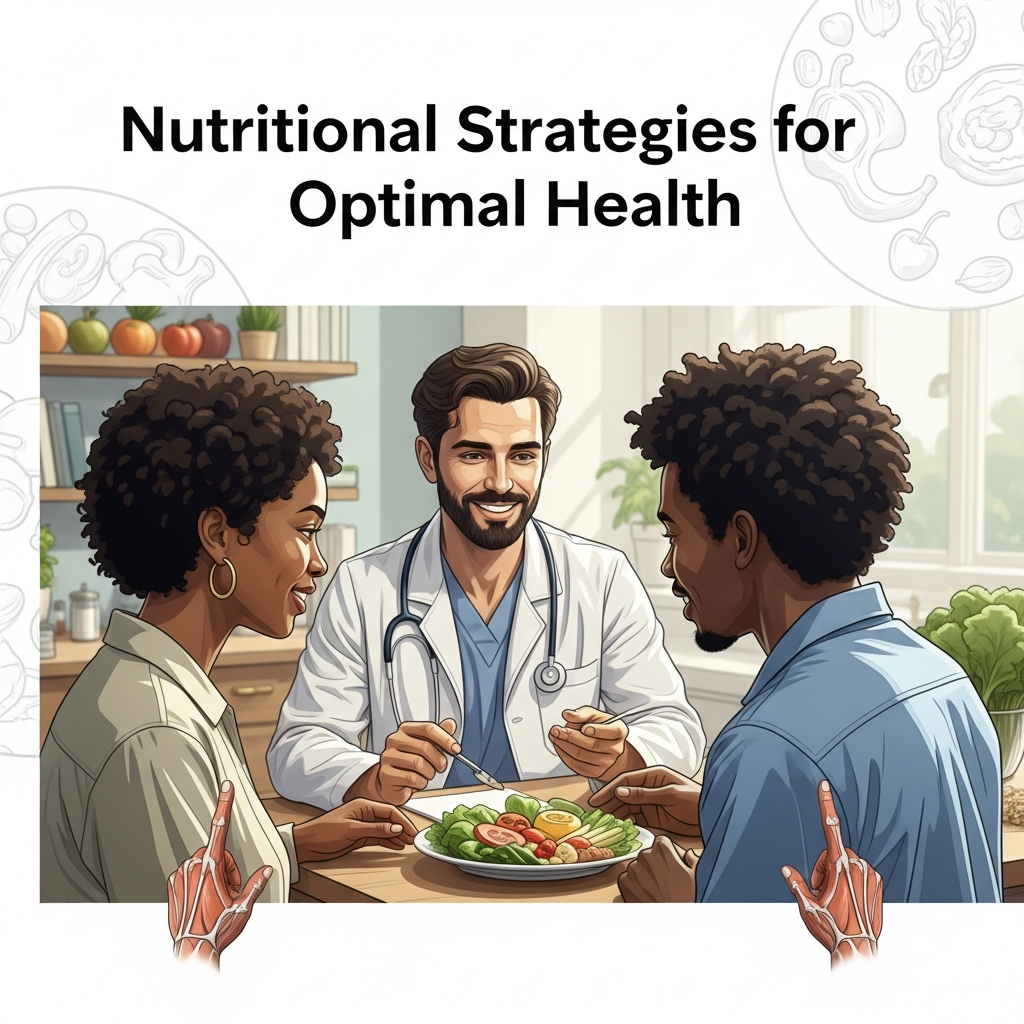 A well-balanced diet plays a supportive role in maintaining energy levels, strengthening immunity, and managing iron balance in the body. While proper nutrition supports red blood cell production and overall well-being, careful attention must be given to iron intake, especially for patients receiving regular transfusions. Working with a dietitian experienced in thalassemia care can help create a safe and effective meal plan tailored to individual needs.
Key Micronutrients
Several essential vitamins and minerals play a key role in supporting blood health. Vitamin C enhances iron absorption and strengthens the immune system, with sources such as citrus fruits, strawberries, and bell peppers. However, high-dose supplementation should only be taken under medical supervision. Folate is crucial for red blood cell production and DNA synthesis, and can be found in leafy greens, legumes, and fortified grains. Vitamin B12 supports neurological function and blood formation, and is available in dairy products, eggs, lean meats, and fortified plant-based alternatives for vegetarians.
Managing Iron Intake
For individuals undergoing frequent transfusions, managing iron overload is a critical part of care. Iron chelation medications such as deferasirox or deferoxamine help remove excess iron from the body and protect organs from damage. Dietary control also plays an important role—limiting high-iron foods like red meat, fortified cereals, and certain supplements can help reduce iron accumulation. Instead, patients are encouraged to consume balanced plant-based proteins such as lentils, beans, tofu, and quinoa, which provide essential nutrients with lower iron content.
Bone Health Considerations
Bone health is often affected in individuals with thalassemia due to chronic anemia and hormonal imbalances. Ensuring adequate calcium and vitamin D intake is essential for maintaining bone strength and preventing complications like osteoporosis. Dairy products, fortified plant-based milks, and safe sun exposure are effective sources of these nutrients. In cases where dietary intake is insufficient, supplementation may be recommended by healthcare providers to maintain optimal bone density and reduce fracture risk.
Physical Activity and Lifestyle Adjustments
 Integrating regular, moderate physical activity and emotional care is an essential part of effective thalassemia tips. A balanced routine helps improve cardiovascular health, maintain muscle strength, reduce fatigue, and support mental well-being. Because energy levels can vary depending on hemoglobin status and treatment schedules, all activities should be personalized and medically guided.
Cardiovascular Exercises
Low-impact aerobic exercises are highly beneficial for improving circulation and stamina without placing excessive strain on the body. Activities such as brisk walking, swimming, and stationary cycling are generally safe and effective when performed consistently. Sessions of 20–30 minutes, three to five times per week, can significantly enhance heart health and overall endurance. It is important to warm up and cool down properly and to monitor for symptoms like dizziness, shortness of breath, or unusual fatigue. Exercise intensity should always be adjusted according to recent transfusion cycles and individual energy levels.
Strength and Flexibility Training
Maintaining muscle strength and joint flexibility is crucial for long-term physical stability. Light resistance training using resistance bands or bodyweight exercises can be performed two times per week to help preserve muscle tone without overexertion. Flexibility-focused activities such as yoga, pilates, or tai chi support posture, balance, and relaxation. These exercises also help reduce stiffness, improve mobility, and contribute positively to mental well-being—an important part of thalassemia tips-based care.
Daily Routine Recommendations
A structured daily routine plays a major role in energy conservation and symptom management. Instead of long, continuous activity, patients should focus on pacing—breaking tasks into smaller steps and including rest periods in between. Prioritizing important activities during peak energy times, often after transfusions, can improve productivity and reduce fatigue. Hydration is equally important; drinking 8–10 glasses of water daily, along with herbal teas or electrolyte-rich fluids, helps maintain circulation and reduce cardiovascular stress.
Exercise & Daily Care Overview
| Area | Recommended Activity | Frequency | Benefit |
|---|---|---|---|
| Cardio | Walking, swimming, cycling | 3–5 times/week | Improves heart health and stamina |
| Strength | Resistance bands, bodyweight exercises | 2 times/week | Maintains muscle and bone strength |
| Flexibility | Yoga, tai chi, stretching | 3–4 times/week | Enhances mobility and relaxation |
| Daily Routine | Pacing + rest cycles | Daily | Reduces fatigue and improves energy balance |
| Hydration | Water, herbal teas | Daily (8–10 glasses) | Supports circulation and organ function |
Emotional Wellbeing and Support Systems
The emotional impact of living with a chronic blood disorder can be significant. Anxiety, stress, and treatment fatigue are common challenges that should be addressed as part of holistic thalassemia tips. Supporting mental health is just as important as managing physical symptoms, as both are deeply connected.
Counseling and Therapy
Working with a licensed mental health professional can help patients develop effective coping strategies for stress, uncertainty, and emotional exhaustion. Evidence-based therapies such as Cognitive Behavioral Therapy (CBT) and Acceptance and Commitment Therapy (ACT) are particularly helpful for individuals managing chronic illnesses. Online therapy options also improve accessibility for patients who cannot attend in-person sessions regularly.
Peer Support and Community
Connecting with others facing similar challenges helps reduce isolation and builds emotional strength. Support networks such as patient organizations and online communities provide educational materials, shared experiences, and emotional encouragement. Platforms like the Cooley’s Anemia Foundation and other hemoglobin disorder groups offer valuable resources that strengthen both patients and caregivers.
Mindfulness and Stress Reduction
Mindfulness practices are powerful tools for managing emotional stress and improving mental clarity. Techniques such as meditation, deep breathing, and progressive muscle relaxation help lower stress hormone levels and improve emotional balance. Even 5–10 minutes of daily practice can make a noticeable difference in mood and focus. Mobile apps, guided audio sessions, and virtual classes make these practices easy to integrate into daily life.
Frequently Asked Questions
1. What are the primary types of thalassemia?
The two main forms are alpha and beta thalassemia, caused by mutations in different globin genes. Understanding these types is essential for applying effective thalassemia tips and choosing the right treatment approach.
2. How often should I undergo blood and iron studies?
Transfusion-dependent patients usually require testing every 1–3 months, while milder cases may need it every 6–12 months. Regular monitoring is a key part of thalassemia tips for preventing complications.
3. Can dietary choices impact iron overload?
Yes, limiting high-iron foods and focusing on balanced nutrition helps manage iron levels. However, medical treatment remains essential in thalassemia tips for controlling iron overload effectively.
4. What types of exercise are safe for people with thalassemia?
Low-impact exercises like walking, swimming, and cycling are safe and beneficial. These activities are commonly recommended in thalassemia tips to improve stamina without overexertion.
5. Why is iron chelation therapy important?
Chelation therapy removes excess iron caused by frequent transfusions. It is a critical part of thalassemia tips to protect vital organs such as the heart and liver from damage.
6. Can thalassemia affect bone health?
Yes, thalassemia can weaken bones over time due to marrow expansion and hormonal changes. Maintaining calcium and vitamin D intake is an important thalassemia tips strategy for bone strength.
7. How can I manage fatigue in daily life?
Managing fatigue involves proper rest, balanced nutrition, and staying consistent with treatment. Energy management techniques are a key part of practical thalassemia tips.
8. Is hydration important for thalassemia patients?
Yes, staying well-hydrated supports kidney function and helps the body process treatments effectively. Hydration is a simple but essential element of thalassemia tips.
9. Do I need regular organ function tests?
Yes, routine checks for liver, heart, and endocrine function are necessary. These evaluations help detect early complications and are a vital part of long-term thalassemia tips.
10. How can I support my mental health while managing thalassemia?
Emotional well-being can be improved through counseling, support groups, and stress management techniques. Mental health care is an important component of holistic thalassemia tips.
Conclusion
Effective thalassemia management combines medical vigilance with lifestyle adjustments and emotional support to achieve the best possible outcomes. By understanding the genetic basis of the disorder, committing to regular monitoring, adopting balanced nutrition, engaging in appropriate physical activity, and nurturing mental health, individuals can navigate daily challenges confidently. Building a multidisciplinary care team—encompassing hematologists, nutritionists, physical therapists, and mental health professionals—ensures comprehensive care tailored to your unique needs.
In today’s evolving healthcare environment, embracing practical strategies and leveraging authoritative resources empowers patients and caregivers alike. Remember to track your progress, ask questions, and adapt recommendations to your personal situation. With proactive thalassemia management and a supportive network, living a vibrant, active life is both possible and rewarding . Always follow your medical team’s guidance, and let these insights serve as a roadmap for healthier days ahead.
