



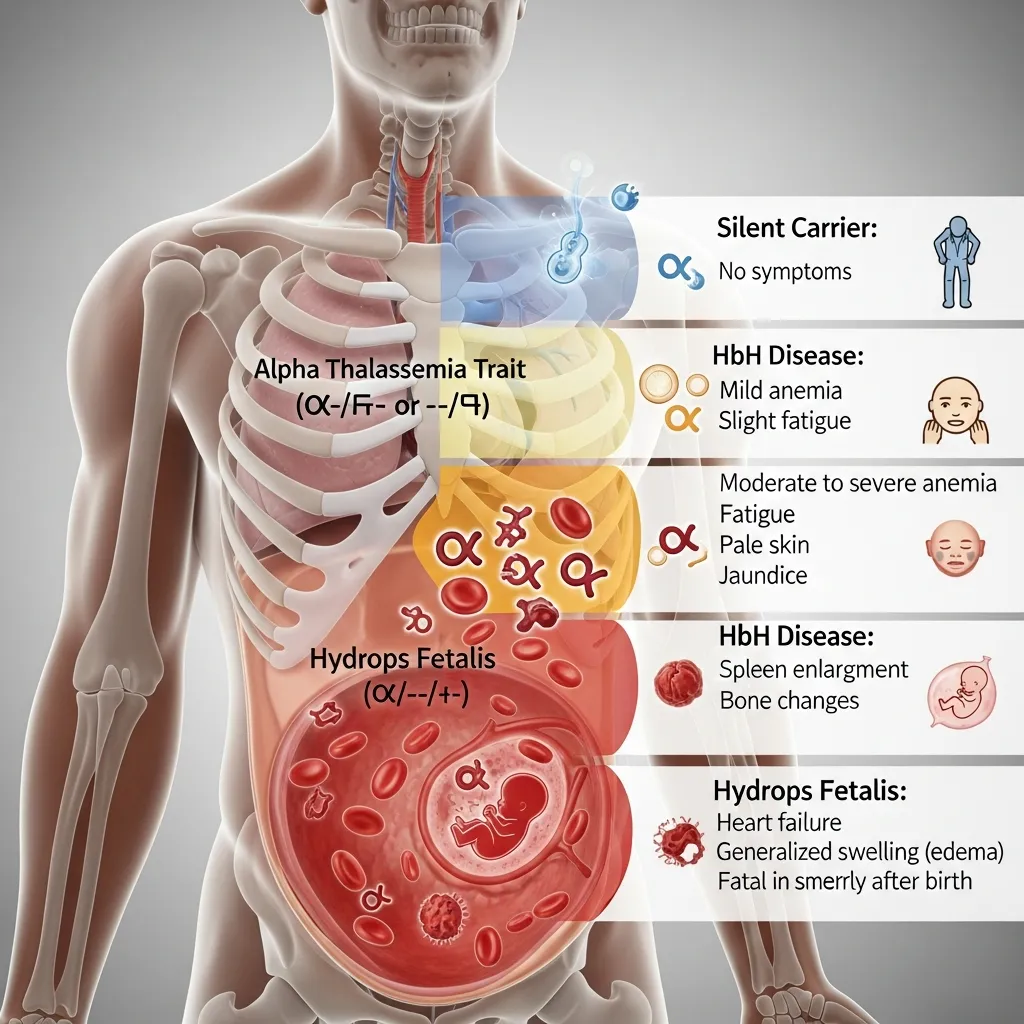
Alpha Thalassemia Symptoms vary depending on the severity of the condition and may include fatigue, weakness, pale skin, dizziness, shortness of breath, slow growth, and enlarged spleen. Mild cases often show few or no symptoms, while severe forms can cause serious anemia and require ongoing medical care.
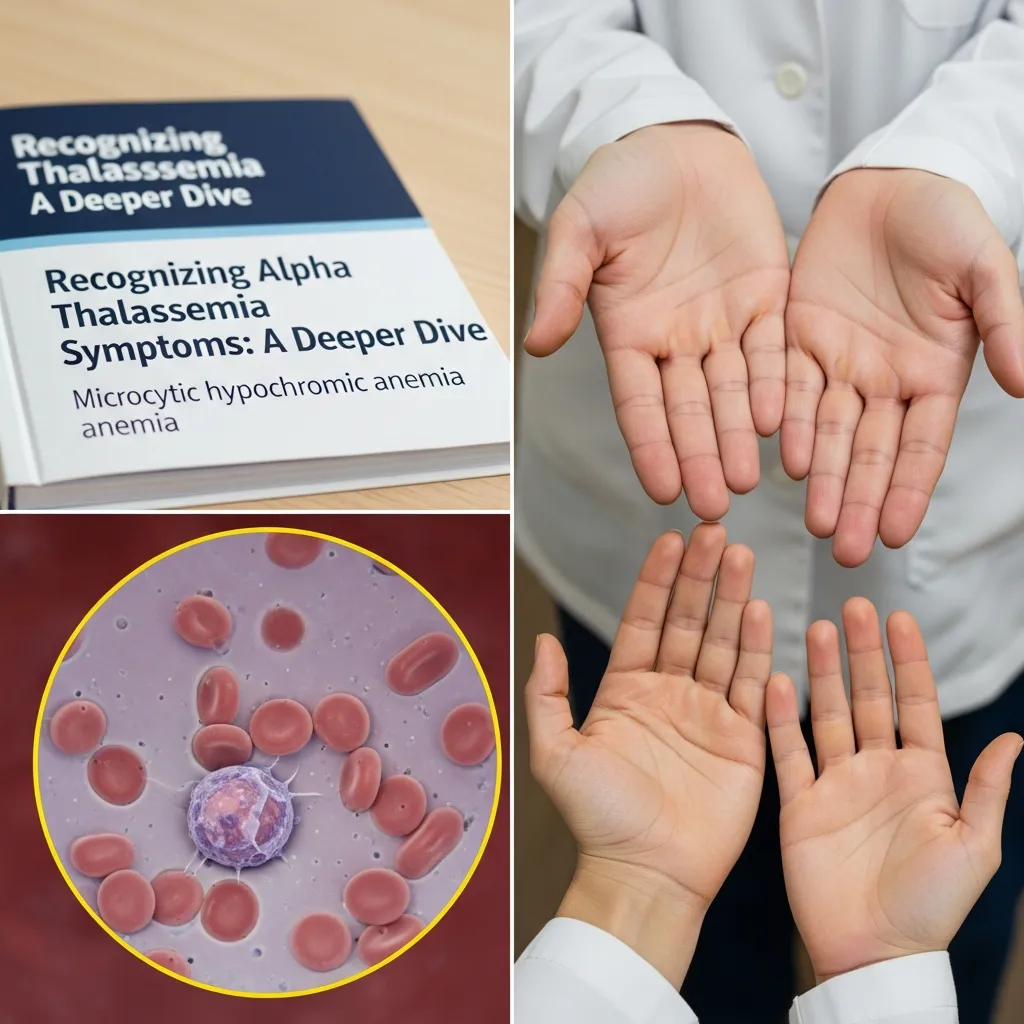
Accurate diagnosis is the foundation of effective medical care. Because the mild forms of this disorder closely mimic other common blood issues, specific testing protocols are necessary.
Initial Blood Tests
The diagnostic journey usually begins with a standard Complete Blood Count (CBC). Doctors look closely at the red blood cell indices. A low MCV (small cell size) and a low MCH (pale cells) are the first red flags. Following a suspicious CBC, doctors will order a hemoglobin electrophoresis test. This blood test separates the different types of hemoglobin to check for abnormal clusters, like Hemoglobin H.
Genetic Testing
While initial blood tests suggest a problem, only DNA analysis can confirm the exact genetic configuration. Genetic testing maps the patient’s DNA to identify specific alpha-globin gene deletions. This definitive test is incredibly important for carrier screening and prenatal diagnosis, giving prospective parents clear statistics regarding the health of their future children. You can explore clinical standards for genetic testing through the Centers for Disease Control and Prevention (CDC).
Differential Diagnosis: Ruling Out Other Anemias
A frustrating hurdle for many patients with the alpha thalassemia trait is misdiagnosis. Because small, pale red blood cells are the primary indicator of simple iron deficiency, doctors frequently prescribe heavy iron supplements. However, extra iron cannot fix a missing gene. Over time, unnecessary iron supplementation can damage organs. A differential diagnosis uses ferritin blood tests to confirm actual iron levels, ensuring patients do not receive harmful, inappropriate treatments.
Management and Treatment Strategies
 Medical interventions are tailored specifically to the number of missing genes and the severity of the resulting anemia.
For Silent Carriers and Alpha Thalassemia Trait
Individuals missing one or two genes require no specific medical treatment. Their bodies naturally compensate for the genetic variation. Health management focuses heavily on genetic counseling before starting a family. Doctors sometimes suggest folic acid supplementation, as folate provides the essential building blocks the bone marrow uses to synthesize new red blood cells. A healthy diet rich in leafy greens supports this natural blood production. Check out our thalassemia lifestyle management tips for practical daily routines.
For Hemoglobin H Disease
Managing HbH disease requires a proactive, multidisciplinary medical approach. Patients need regular check-ups to monitor their hemoglobin levels, spleen size, and bone health.
During times of severe physical stress, such as a severe infection or pregnancy, doctors may administer red blood cell transfusions to stabilize oxygen levels. Because the body accumulates toxic iron over time, iron chelation therapy is often prescribed. These specialized medications help the kidneys and liver safely excrete excess iron. To understand the latest research on iron management, patients can review resources provided by the National Institutes of Health (NIH).
Taking Charge of Your Health
Navigating a genetic blood disorder requires education, patience, and active communication with your healthcare team. Alpha thalassemia symptoms exist on a broad spectrum, ranging from completely invisible to highly disruptive.
By understanding the mechanics of your specific diagnosis, you can advocate for accurate blood testing and protect yourself from improper treatments. Keep detailed records of your genetic results, focus on a nutrient-rich diet, and maintain a consistent schedule with your hematologist. Armed with the right medical knowledge, you can effectively manage your symptoms and secure a healthier, more vibrant future.
