


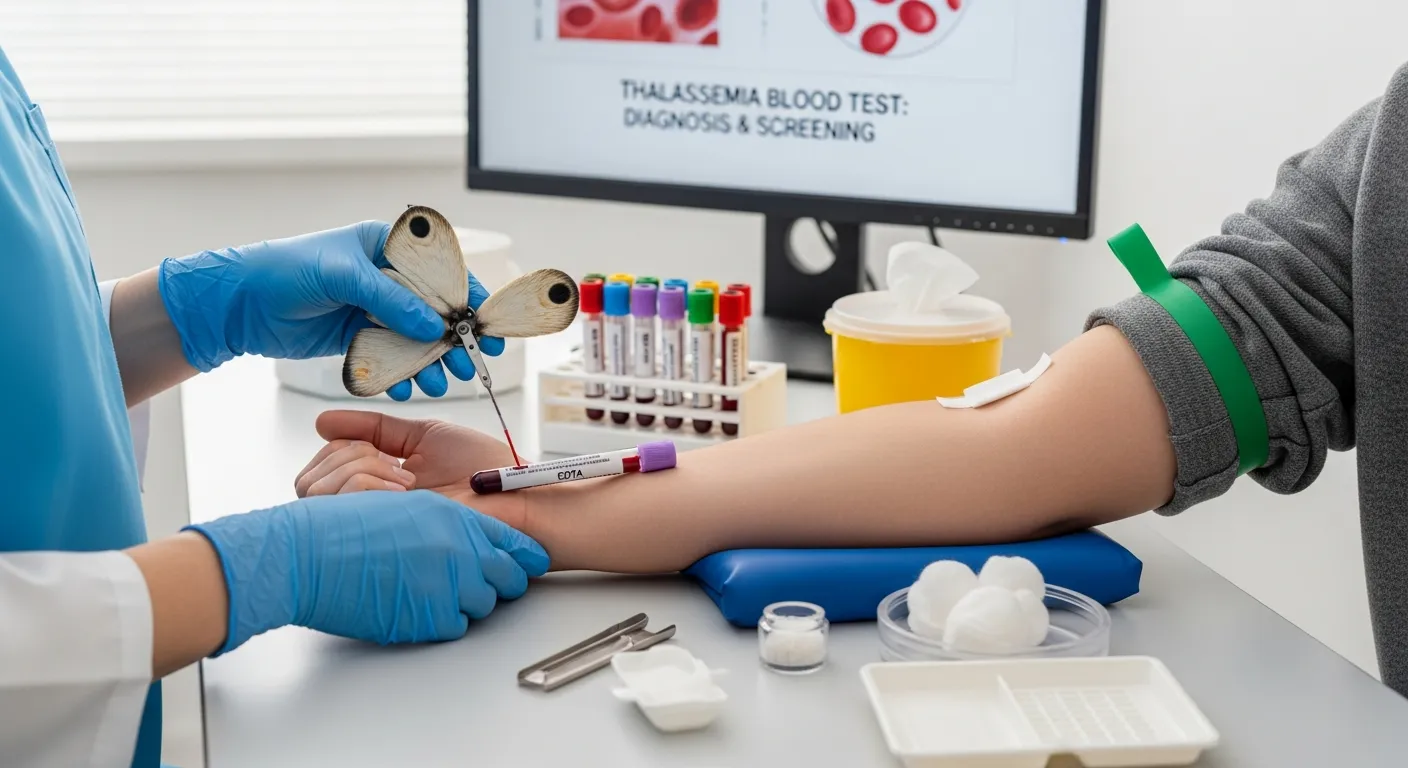
A thalassemia blood test is one of the most essential and widely used diagnostic tools in modern hematology for detecting thalassemia, a hereditary blood disorder that affects hemoglobin production. Hemoglobin is the iron-containing protein inside red blood cells responsible for carrying oxygen from the lungs to all parts of the body. When hemoglobin production is defective or imbalanced, it leads to reduced oxygen delivery, chronic anemia, and a wide range of health complications affecting daily life.
The importance of a thalassemia blood test lies primarily in early detection and prevention. Many individuals carry the thalassemia gene without showing any noticeable symptoms. These silent carriers often remain unaware of their condition until it is detected through routine screening or until they have a child affected by a severe form of the disease. Without proper testing, carriers may unknowingly pass the mutated gene to their offspring, increasing the risk of severe thalassemia in future generations.
A complete thalassemia blood test is not a single test but a combination of multiple diagnostic procedures designed to give a full picture of hemoglobin health and red blood cell function. Each test plays a unique role in narrowing down the diagnosis and confirming the exact type and severity of the disorder.
The most commonly included tests are:
- Complete Blood Count (CBC for thalassemia)
- Thalassemia screening test
- Hemoglobin electrophoresis test
Together, these investigations allow doctors to evaluate red blood cell size, hemoglobin levels, and hemoglobin variants. This combined approach helps determine whether a person is healthy, a carrier (thalassemia trait), or affected by a more severe form of the disease, such as beta thalassemia major or intermedia.
What is a Thalassemia Blood Test?
This type of testing is particularly important because thalassemia is often a genetic condition that may remain undetected for a long time, especially in carriers who do not show clear symptoms. Through detailed blood analysis, the test provides crucial insights into whether hemoglobin production is occurring normally or if there is an underlying imbalance in globin chain synthesis. By doing so, it becomes possible to detect even mild or early-stage abnormalities before they develop into more severe forms of anemia or cause long-term health issues.
Doctors usually rely on a thalassemia blood test not only for diagnosis but also for understanding the severity and nature of the condition. The results help them evaluate how well red blood cells are formed, how effectively they function in circulation, and how much the body is affected by reduced or defective hemoglobin production. In many cases, this test also plays an important role in identifying carriers who may unknowingly pass the genetic mutation to their children, making it a key tool in preventive healthcare and family planning.
Ultimately, a thalassemia blood test provides a detailed picture of hemoglobin health, allowing healthcare professionals to detect abnormalities early, assess the extent of anemia, and guide appropriate medical decisions.
Why Thalassemia Blood Test is Important
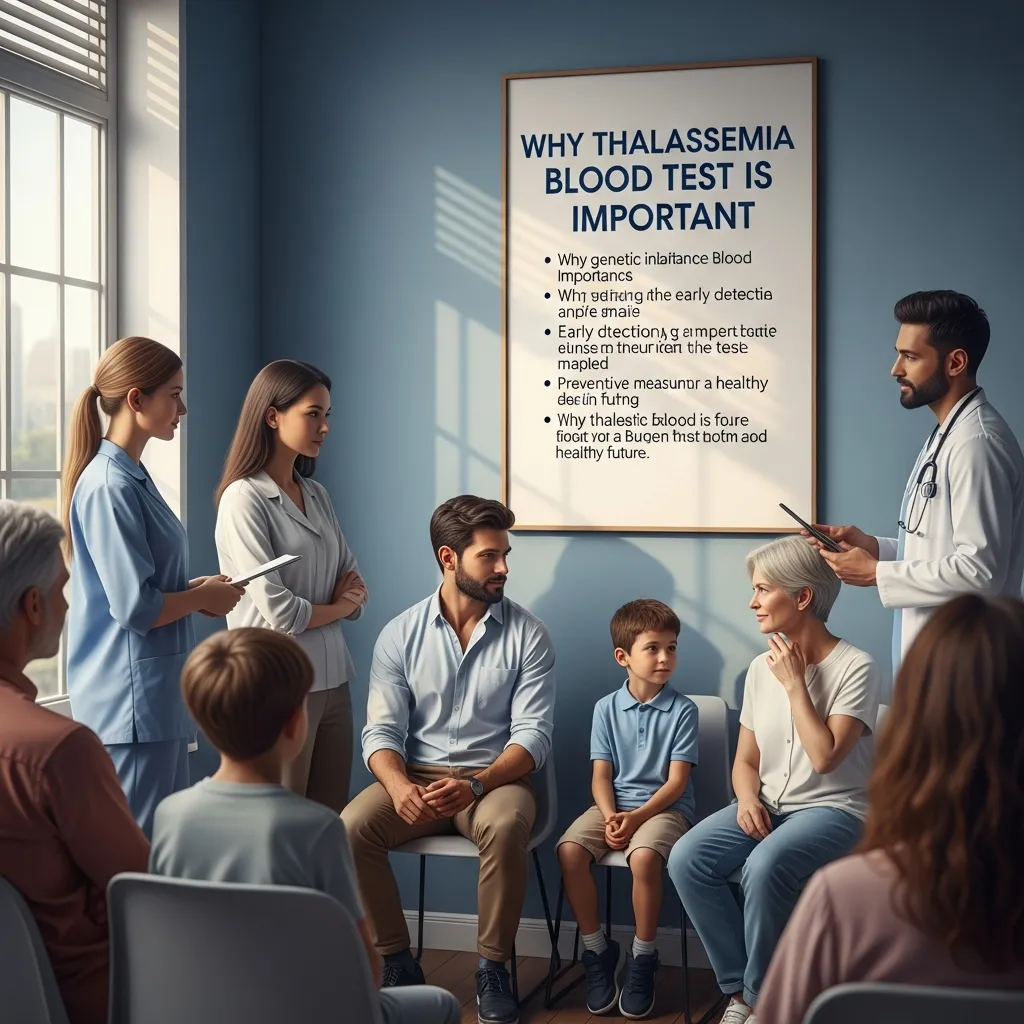 The thalassemia blood test is extremely important because it plays a vital role in both the diagnosis and prevention of a serious genetic blood disorder that often goes undetected until complications appear. Since thalassemia can exist in a mild carrier state without showing obvious symptoms, many individuals remain unaware that they carry the gene mutation. A simple blood test can reveal these hidden conditions early, allowing timely medical advice and preventing long-term complications.
One of the most significant advantages of a thalassemia blood test is that it helps in early identification of abnormal hemoglobin production before the disease progresses. Early detection is crucial because it allows healthcare providers to monitor the condition closely and take preventive steps to reduce the risk of severe anemia, growth problems in children, and other health issues related to poor oxygen delivery in the body.
This test is also highly important for preventing severe forms of thalassemia in newborns. When both parents are carriers, there is a higher chance of passing the defective gene to the child, which can result in a serious or life-threatening condition. By detecting carrier status early, couples can receive proper genetic counseling and make informed decisions regarding family planning, significantly reducing the risk of having an affected child.
In addition, the thalassemia blood test helps in identifying silent carriers who do not show symptoms but still carry the genetic mutation. These individuals are generally healthy and unaware of their status, but they can unknowingly pass the gene to the next generation. Detecting such carriers is essential for breaking the chain of inheritance and controlling the spread of the disorder in the population.
The test also provides strong support for family planning by offering critical genetic information before or during pregnancy. This helps families understand potential risks and take appropriate medical guidance to ensure better health outcomes for future children. Along with this, it plays an important role in reducing the overall transmission of thalassemia in communities where the condition is more prevalent.
In countries where thalassemia is common, routine screening through a thalassemia blood test is strongly recommended as a public health measure. Regular testing helps in early diagnosis, awareness, and prevention, ultimately reducing the number of severe cases and improving overall community health outcomes.
Types of Thalassemia Blood Test
A full thalassemia blood test includes several important diagnostic components that work together to evaluate hemoglobin structure, red blood cell quality, and overall blood health. Each test provides a different layer of information, and when combined, they help doctors reach an accurate diagnosis and understand the severity of the condition.
1. Complete Blood Count (CBC for Thalassemia)
The complete blood count for thalassemia is usually the first and most basic test in the diagnostic process. It provides an overview of overall blood health and helps identify early signs that may suggest a possible hemoglobin disorder. Although it cannot confirm thalassemia on its own, it plays a crucial role as an initial screening step in a full thalassemia blood test.
This test measures several important blood parameters, including hemoglobin level, red blood cell size (MCV), total RBC count, and hematocrit value. These values help doctors understand how efficiently oxygen is being carried in the bloodstream and whether red blood cells are developing normally.
In individuals with thalassemia, typical results often show low hemoglobin levels and reduced MCV, which indicates microcytic anemia. Interestingly, the RBC count may appear normal or even slightly elevated, which is a key clue that differentiates thalassemia from other types of anemia. Additionally, abnormal red cell indices may also be observed, indicating irregularities in red blood cell formation and structure.
Although CBC is not sufficient for a final diagnosis, it is considered the first warning sign in a thalassemia blood test, prompting further investigation with more specific tests.
2. Thalassemia Screening Test
The thalassemia screening test is primarily used for detecting carriers who may not show any symptoms but still carry the genetic mutation responsible for thalassemia. This makes it one of the most important preventive tools in a thalassemia blood test panel.
The main purpose of this test is to identify hidden carriers, screen high-risk populations, and prevent the transmission of the disease to future generations. Since thalassemia is an inherited disorder, early detection of carriers plays a major role in reducing the number of severe cases in newborns.
This test is especially recommended for couples planning marriage, pregnant women, family members of diagnosed patients, and individuals who have chronic or unexplained anemia. In many healthcare systems, it is used as a routine preventive screening tool to control the spread of thalassemia at a community level.
By identifying carriers early, the thalassemia blood test helps families receive proper counseling and make informed decisions regarding reproduction and genetic risk management.
3. Hemoglobin Electrophoresis Test
The hemoglobin electrophoresis test is considered the most accurate and confirmatory test in a complete thalassemia blood test panel. It provides a detailed analysis of different types of hemoglobin present in the blood and helps identify abnormal hemoglobin variants associated with thalassemia.
This test works by separating hemoglobin types based on their electrical charge and structure. It measures the levels of HbA (normal adult hemoglobin), HbA2, and HbF (fetal hemoglobin), which are essential markers in diagnosing different forms of thalassemia.
In typical diagnostic patterns, elevated HbA2 levels are commonly associated with beta thalassemia trait, while increased HbF levels are often seen in more severe forms such as thalassemia major. In some cases, abnormal hemoglobin bands may also be detected, indicating rare hemoglobin variants or complex blood disorders.
Because of its high accuracy and detailed results, this test plays a central role in confirming the diagnosis and distinguishing between different types of thalassemia. It is often considered the gold standard in a thalassemia blood test panel, especially when initial screening results are inconclusive.
How Thalassemia Blood Test Works (Step-by-Step)
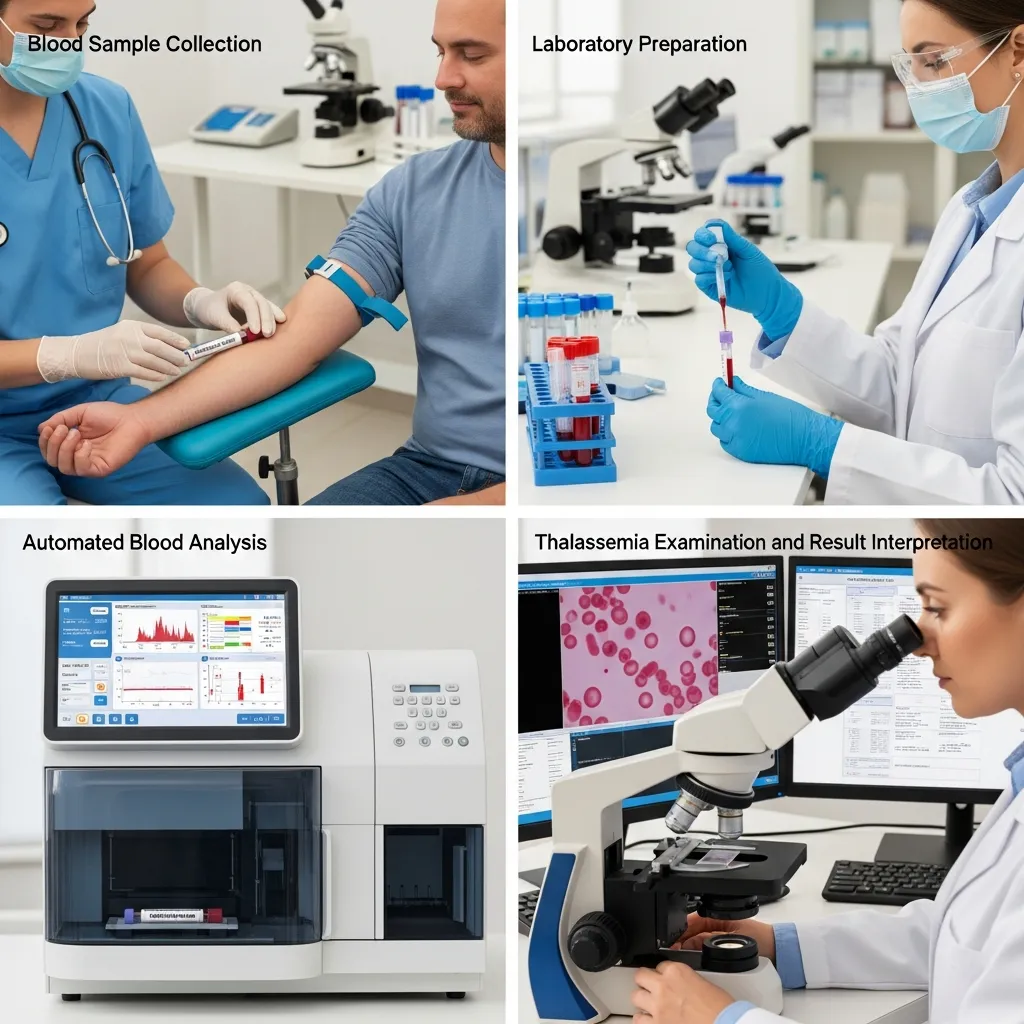 The process of a thalassemia blood test is simple, but it follows a systematic and well-structured diagnostic pathway to ensure accuracy. Each step is designed to gradually narrow down the possibilities and confirm whether a person has normal hemoglobin function, carrier status, or a form of thalassemia disorder. This step-by-step approach helps doctors avoid misdiagnosis and ensures that no important detail is missed during evaluation.
First, a blood sample is collected from the patient, usually from a vein in the arm. This sample is then sent to the laboratory for initial analysis. The first test performed is typically the Complete Blood Count (CBC), which provides basic but important information about red blood cell size, hemoglobin level, and overall blood health. If the CBC results show signs of anemia or abnormal red blood cell indices, the diagnostic process moves to the next stage.
If any abnormalities are detected in the CBC, a thalassemia screening test is conducted to further evaluate the possibility of a genetic blood disorder. This step helps identify whether the patient may be a carrier or if there are early indications of abnormal hemoglobin production. Screening tests are especially useful in distinguishing thalassemia-related anemia from other common types of anemia caused by nutritional deficiencies.
When screening results suggest a possible hemoglobin disorder, the next step in a thalassemia blood test is hemoglobin electrophoresis. This test provides a more detailed and accurate analysis of hemoglobin types present in the blood. It helps confirm the diagnosis by identifying abnormal hemoglobin patterns and distinguishing between alpha and beta thalassemia forms.
In some cases, especially when results are unclear or when there is a strong family history of genetic disorders, genetic testing may be recommended. This final step provides precise information about gene mutations and helps in confirming complex or rare cases of thalassemia.
Symptoms That Indicate Need for Test
A thalassemia blood test is usually recommended when a patient shows symptoms that may suggest abnormal hemoglobin production or chronic anemia. These symptoms often develop gradually and may be mistaken for general weakness or nutritional deficiencies, which is why proper testing is essential for accurate diagnosis.
You may need a thalassemia blood test if you experience persistent fatigue that does not improve with rest, as this is often a sign that your body is not receiving enough oxygen due to reduced hemoglobin function. Pale or yellowish skin may also indicate underlying anemia, which can be linked to thalassemia or other blood disorders.
General weakness and reduced physical endurance are also common symptoms, especially in individuals with long-term anemia. Shortness of breath during mild physical activity may suggest that oxygen transport in the blood is compromised. In children, delayed growth or poor development can be a warning sign of chronic blood disorders that require further investigation.
Additionally, a family history of anemia or known thalassemia cases significantly increases the risk of inheriting the condition. In such situations, a thalassemia blood test is strongly recommended even if no obvious symptoms are present, as early detection plays a key role in prevention and effective management.
Who Should Get a Thalassemia Blood Test?
A thalassemia blood test is strongly recommended for specific high-risk groups because early detection can prevent serious complications and help identify carriers who may otherwise remain undiagnosed for life. Since thalassemia is a genetic blood disorder, it often passes silently through families without showing obvious symptoms, making targeted testing extremely important for prevention and control.
High-risk groups include newborns in regions where thalassemia is common, as early screening can help detect the condition before symptoms develop and allow timely medical intervention. Pregnant women are also advised to undergo a thalassemia blood test to ensure the health of both mother and baby and to assess any risk of passing the condition to the child.
Couples before marriage are another important group because testing at this stage helps identify carrier status in both partners, reducing the risk of having a child with severe thalassemia. People with chronic or unexplained anemia should also be tested, as persistent low hemoglobin levels may be linked to underlying genetic causes rather than simple nutritional deficiencies. Additionally, individuals with a family history of thalassemia or other blood disorders are at higher risk and should undergo testing even if they do not show symptoms.
Understanding Test Results
Interpreting a thalassemia blood test is an important step in diagnosis, as it helps determine whether a person has normal blood function, is a carrier, or is affected by thalassemia. Results are usually categorized into normal and abnormal patterns based on hemoglobin levels and red blood cell characteristics.
Normal results:
Normal results in a thalassemia blood test generally indicate that hemoglobin levels are within the expected range, red blood cells are of normal size and shape, and there are no abnormal hemoglobin variants detected. This suggests that the body is producing healthy red blood cells capable of carrying oxygen efficiently.
Abnormal results:
Abnormal results may show low hemoglobin levels, which indicate anemia, along with high HbA2 or HbF levels that are commonly associated with beta thalassemia or other hemoglobin disorders. Microcytic anemia, where red blood cells are smaller than normal, is another common finding. In more detailed testing like hemoglobin electrophoresis, abnormal patterns may confirm the presence of thalassemia or related blood disorders.
Role of Genetic Testing
Genetic testing plays an important role in a thalassemia blood test process when standard blood tests are not enough to provide a clear diagnosis. It is usually recommended when test results are unclear, when rare genetic mutations are suspected, or when families require detailed information for future planning.
This type of testing provides final confirmation in complex cases by analyzing DNA to identify specific mutations responsible for thalassemia. It is especially valuable in families with a history of genetic disorders, as it helps determine exact carrier status and risk levels for future generations.
Thalassemia Blood Test in Pregnancy
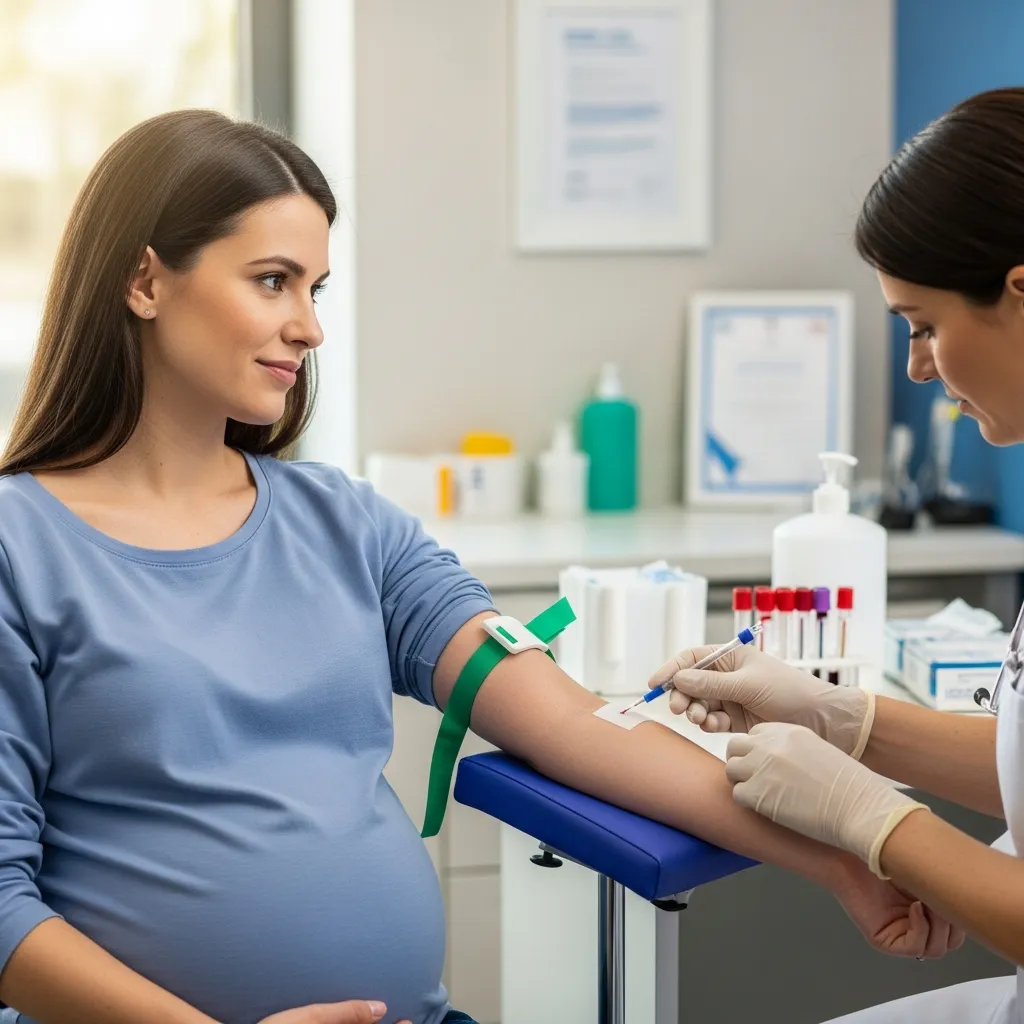 Pregnancy is one of the most critical times for a thalassemia blood test, as early screening can prevent severe complications in newborns. Testing during pregnancy helps ensure that both parents are evaluated for carrier status, which is essential for assessing the risk of the child inheriting thalassemia.
This process helps detect carrier parents early, avoid the birth of a child with severe thalassemia, and provide proper genetic counseling to families. With accurate diagnosis, doctors can guide parents through safe pregnancy planning and medical options to reduce risks.
For more detailed information about carrier conditions, you can read about Alpha Thalassemia Carrier, which explains how the condition is inherited and what it means for family planning.
Difference Between Tests
A full thalassemia blood test includes multiple diagnostic methods, each with different purposes and accuracy levels. The Complete Blood Count (CBC) is usually the first step and serves as an initial screening tool, but it has limited accuracy for confirming thalassemia. The screening test is more advanced and helps identify carrier status with moderate accuracy. The hemoglobin electrophoresis test is considered the most accurate, as it confirms the diagnosis by analyzing hemoglobin types in detail.
Limitations of Thalassemia Blood Test
Although a thalassemia blood test is highly effective, it does have certain limitations. It may not detect all genetic mutations, especially rare or complex ones, and sometimes repeat testing is required for confirmation. In some cases, genetic testing is necessary to achieve a final diagnosis. Additionally, very mild cases of thalassemia may go unnoticed in early screening stages.
Importance of Early Detection
Early detection through a thalassemia blood test is extremely important because it allows timely intervention and better long-term outcomes. It helps prevent severe anemia, reduces the risk of complications, and improves overall quality of life for patients. Early diagnosis also supports genetic counseling, which is essential for informed family planning and preventing disease transmission to future generations.
Prevention Through Testing
Regular use of the thalassemia blood test guide plays a major role in preventing the spread of thalassemia in the population. It helps identify carriers early, reduces disease transmission rates, and increases public awareness about genetic blood disorders. It also supports better marriage and pregnancy decisions through proper screening and improves healthcare planning at both the individual and community levels.
Conclusion
A thalassemia blood test is essential for early diagnosis, carrier detection, and prevention of genetic blood disorders. The combination of CBC, screening test, and hemoglobin electrophoresis test gives a complete understanding of hemoglobin health.
Early testing helps families make informed decisions and reduces the long-term burden of thalassemia in society. Regular screening is the most powerful tool for prevention and control.
Frequently Asked Questions (FAQ)
1. What is a thalassemia blood test?
A thalassemia blood test is a group of laboratory investigations used to detect hemoglobin disorders.
It helps identify whether a person has normal or abnormal hemoglobin production.
This test is mainly used to diagnose thalassemia and related blood conditions.
2. What tests are included?
A complete thalassemia blood test usually includes a CBC, a screening test, and hemoglobin electrophoresis. Each test provides different information about red blood cell health and hemoglobin structure. Together, they help confirm the diagnosis and determine the type of thalassemia.
3. Is fasting required?
No, fasting is not required before taking a thalassemia blood test. You can eat and drink normally before the test unless your doctor advises otherwise. It is a simple blood test that does not depend on food intake.
4. Who should take it?
People with chronic anemia, fatigue, or weakness are often advised to take this test. It is also recommended for individuals with a family history of thalassemia or blood disorders. High-risk groups like pregnant women and couples planning marriage should also get tested.
5. Can it detect carriers?
Yes, a thalassemia blood test can detect carriers of the thalassemia gene. Screening tests are especially useful in identifying silent carriers without symptoms. Early detection helps prevent passing the gene to future generations.
6. What is the most accurate test?
Hemoglobin electrophoresis is considered the most accurate part of a thalassemia blood test. It separates different types of hemoglobin and detects abnormal variants clearly. This test is often used to confirm the final diagnosis.
7. Can pregnant women take it?
Yes, pregnant women are strongly recommended to take a thalassemia blood test. It helps detect carrier status in parents and assess the risk to the baby. Early screening allows proper genetic counseling and safe pregnancy planning.
8. Is it painful?
No, the test is not painful beyond a simple blood draw. Only a small amount of blood is taken from a vein in the arm. Most people experience only mild discomfort during the procedure.
9. How long do results take?
Results of a thalassemia blood test usually take 1 to 3 days. The time may vary depending on the laboratory and the type of tests performed. More advanced genetic testing may take longer to complete.
10. Can it cure thalassemia?
No, a thalassemia blood test cannot cure the disease. It is used only for diagnosis, detection, and monitoring of the condition. However, early detection helps in better management and treatment planning.
