


Alpha thalassemia minor is a mild inherited blood condition where a person has missing or altered alpha-globin genes, leading to slightly reduced hemoglobin production. Most individuals experience no or very mild symptoms, such as mild anemia or small red blood cells, and often discover the condition during routine blood tests. It is important for genetic awareness and family planning because it can be passed to children depending on parental carrier status.
Blood is the river of life, transporting oxygen to every tissue and organ in your body. When the components of your blood change even slightly, it can influence how you feel and function. For millions of people worldwide, a specific genetic variation alters this vital process. This condition is known as alpha thalassemia minor.
Many people discover they have this genetic trait entirely by accident. You might visit your doctor for an annual physical, complete a routine blood test, and find out that your red blood cells are slightly smaller than average. While the word “thalassemia” might sound intimidating, the “minor” distinction is crucial. It means that your body has adapted to a genetic change, and you can generally expect to live a completely healthy, active life.
Learning about this condition empowers you to make informed decisions about your health care and family planning. By understanding the underlying mechanics of your red blood cells, you can avoid unnecessary medical treatments and communicate more effectively with your healthcare providers. This comprehensive guide will explain the genetic foundations, symptoms, and daily management of alpha thalassemia minor, providing clarity for those who carry the trait.
Understanding the Genetics of Alpha Thalassemia
 To fully grasp what alpha thalassemia minor entails, we must look at the microscopic building blocks of your blood. The genetic instructions you inherit from your parents dictate exactly how your body manufactures its most important proteins.
Hemoglobin Production: A Quick Review
Hemoglobin is the iron-rich protein inside your red blood cells that carries oxygen from your lungs to the rest of your body. Healthy adult hemoglobin is constructed from four protein chains: two alpha-globin chains and two beta-globin chains. Your body needs to produce these chains in perfectly balanced amounts. When a genetic mutation disrupts the production of either the alpha or beta chains, it results in a condition called thalassemia. You can learn more about the differences in these conditions by exploring the distinctions between alpha vs beta thalassemia.
The Role of Alpha-Globin Genes
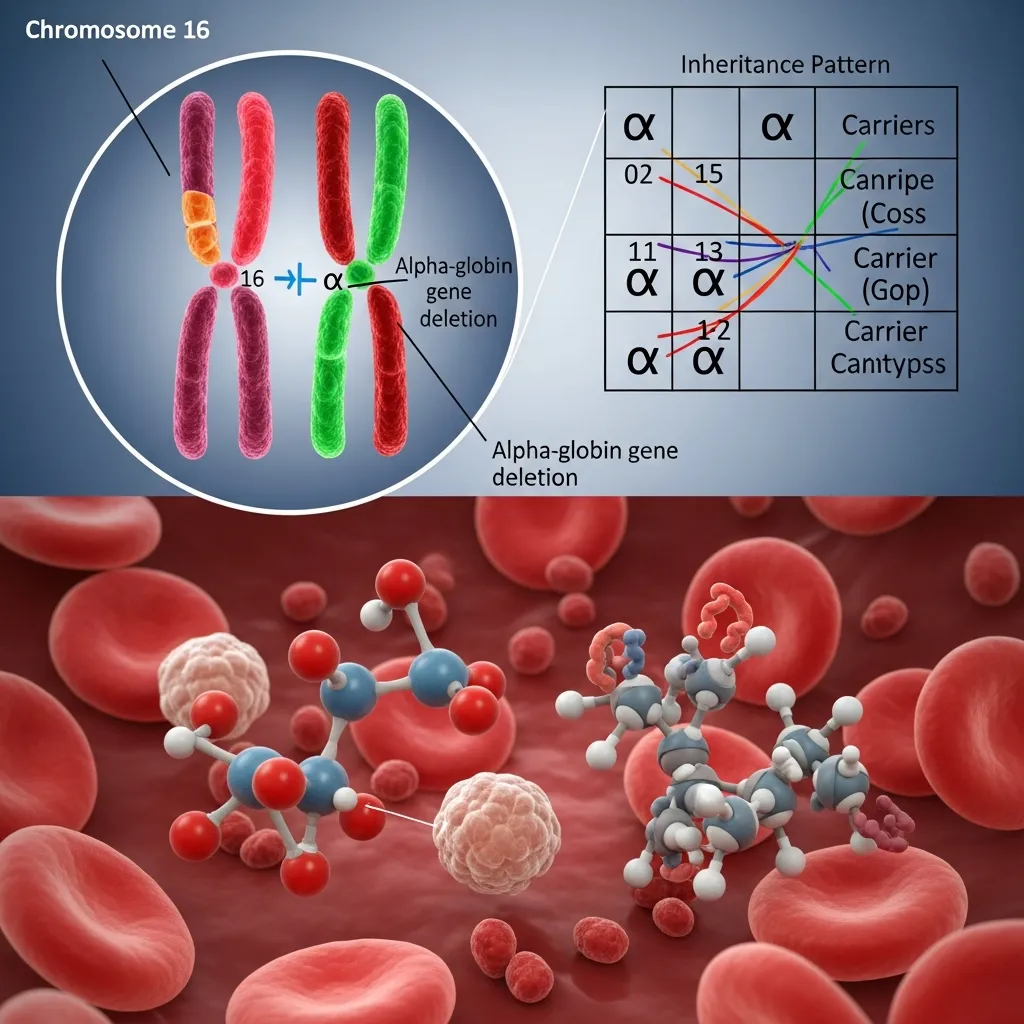
The production of alpha-globin chains is controlled by four specific genes located on chromosome 16. You inherit two of these alpha-globin genes from your mother and two from your father. When all four genes function correctly, your body produces an adequate amount of alpha-globin, resulting in normal, healthy red blood cells.
Different Forms of Alpha Thalassemia
Alpha thalassemia is almost always caused by gene deletions, meaning the genes are entirely missing from your DNA sequence. The severity of the condition depends completely on how many of these four genes are missing:
- Silent Carrier: If one gene is missing, you are a silent carrier. The three remaining genes produce enough protein to keep your blood completely normal.
- Alpha Thalassemia Minor: When two genes are missing, the diagnosis is alpha thalassemia minor. Your body still produces enough hemoglobin to function well, but your red blood cells may be slightly smaller.
- Hemoglobin H Disease: Missing three genes causes Hemoglobin H disease, leading to moderate to severe anemia and requiring more specialized medical care.
- Hydrops Fetalis: If all four genes are missing, a developing fetus cannot produce normal hemoglobin to survive, typically resulting in fatal complications before or shortly after birth.
Genetic Counseling and Testing
Because these missing genes are passed down through families, genetic counseling is highly recommended for anyone diagnosed with a thalassemia trait. Organizations like the Centers for Disease Control and Prevention (CDC) advocate for accurate genetic testing. A genetic counselor can analyze your DNA, pinpoint the exact number of missing genes, and help you understand how this might affect your future children.
Symptoms and Diagnosis of Alpha Thalassemia Minor
One of the most defining characteristics of alpha thalassemia minor is its subtlety. For most individuals, the condition operates quietly in the background without causing major disruptions.
Often Asymptomatic: The Silent Nature of Alpha Thalassemia Minor
The vast majority of people with two missing alpha-globin genes experience absolutely no symptoms. Your body is incredibly adaptable and compensates for the slight reduction in alpha-globin production. You can play intense sports, manage a demanding career, and navigate daily life without realizing you carry a genetic blood trait.
Mild Anemia: When it Might Occur
When symptoms do present themselves, they typically appear as mild anemia. You might occasionally feel a bit more fatigued than usual, especially during times of significant physical stress, illness, or pregnancy. Because your red blood cells are slightly smaller—a condition known as microcytosis—your body works a little harder to distribute oxygen efficiently.
How it’s Diagnosed: Blood Tests and Genetic Confirmation
Diagnosis usually begins with a Complete Blood Count (CBC). This routine test measures the size and number of your blood cells. A patient with alpha thalassemia minor often shows a normal red blood cell count but a lower Mean Corpuscular Volume (MCV), indicating smaller cells. To confirm the diagnosis, doctors rely on targeted genetic DNA testing to map the genes and verify the deletions.
Differentiating from Iron Deficiency Anemia
A common and frustrating challenge for patients is misdiagnosis. Because smaller red blood cells are also a hallmark of iron deficiency, doctors frequently mistake alpha thalassemia minor for a simple lack of iron. They might prescribe iron supplements to correct the problem. However, taking unnecessary iron does not treat missing genes. Over time, excessive iron intake can lead to a dangerous buildup in your organs. Accurate genetic testing is the only way to ensure you receive the correct diagnosis.
Living with Alpha Thalassemia Minor: Health and Lifestyle
 Receiving a genetic diagnosis can feel overwhelming, but managing alpha thalassemia minor requires very few changes to your everyday routine.
No Specific Treatment Required for Alpha Thalassemia Minor
Unlike more severe blood disorders that require regular blood transfusions or hospital visits, this minor trait generally needs no specific medical intervention. Your body already knows how to manage the slight hemoglobin imbalance.
Importance of a Balanced Diet
While you do not need medication, you should focus on supporting your body’s natural blood production. Eating a balanced, nutrient-rich diet is essential. Focus on foods high in folate (folic acid), such as leafy green vegetables, beans, and lentils. Folate is a crucial nutrient that helps your bone marrow produce new, healthy red blood cells. Incorporating general thalassemia management tips into your routine can keep your energy levels stable.
Iron Supplementation: When it’s NOT Recommended
As previously mentioned, you must be cautious with iron. Unless a doctor has performed a specific ferritin test proving you have a genuine iron deficiency, you should avoid over-the-counter iron supplements. Be sure to inform any new healthcare provider about your genetic trait so they can interpret your blood work accurately and avoid prescribing unnecessary iron pills.
Exercise and Daily Activities
You do not need to restrict your physical activities. Regular, moderate exercise supports cardiovascular health and helps maintain energy levels. Listen to your body, stay well-hydrated, and ensure you get adequate rest if you experience occasional fatigue.
Pregnancy and Alpha Thalassemia Minor
For individuals carrying the trait, the most significant medical considerations arise when planning to start a family.
Genetic Risks for Offspring
The inheritance of this condition is a straightforward matter of genetics. If you have alpha thalassemia minor and your partner has perfectly normal hemoglobin genes, your children may inherit the trait, but they will not develop a severe disease. However, if both you and your partner carry missing alpha-globin genes, the risks increase. There is a chance your child could inherit three or four missing genes, leading to serious health complications.
Prenatal Testing Options
Modern medicine offers sophisticated tools to help prospective parents. If both partners are carriers, prenatal tests such as chorionic villus sampling (CVS) or amniocentesis can be performed early in the pregnancy. These tests analyze the baby’s DNA to determine exactly how many functional alpha-globin genes they have inherited.
Counseling for Couples Where Both Partners are Carriers
If you and your partner both carry the thalassemia trait, consulting with a genetic counselor is an important step. These specialists can calculate the exact statistical risks for your pregnancy, explain the potential outcomes clearly, and discuss alternative family planning options, such as in vitro fertilization (IVF) with genetic screening.
Managing Pregnancy with Alpha Thalassemia Minor
During pregnancy, a woman’s blood volume expands dramatically to support the growing fetus. This natural process can temporarily worsen the mild anemia associated with alpha thalassemia minor. Expectant mothers should be closely monitored by their obstetrician and a hematologist to ensure their hemoglobin levels remain safe and to determine if specialized nutritional support is needed.
Dispelling Myths and Misconceptions
 Misunderstanding genetic conditions can lead to unnecessary anxiety. Clearing up common myths ensures that individuals with the trait can navigate their health confidently.
Alpha Thalassemia Minor vs. Major Forms
Many people panic when they hear the word “thalassemia,” confusing their minor trait with thalassemia major. Major forms of the disease are life-threatening and require intensive, lifelong medical treatments. Alpha thalassemia minor is entirely different; it is a mild carrier state that does not progress into a severe disease over time.
It’s Not Always “Just Anemia”
While the symptoms mirror mild anemia, referring to the condition simply as “anemia” oversimplifies the biology. Standard anemia is often a temporary condition caused by diet or blood loss. Alpha thalassemia minor is a permanent structural change in how your body builds blood cells. Acknowledging this difference is key to avoiding ineffective nutritional treatments.
The Importance of Proper Diagnosis
You cannot manage what you do not accurately understand. Relying on basic blood counts without genetic confirmation leaves room for error. A proper DNA-based diagnosis provides a lifelong medical baseline, preventing confusion whenever you switch doctors or undergo routine health screenings in the future.
Research and Future Directions
The scientific community continues to explore the complexities of human genetics, bringing new insights to blood disorders.
Advances in Genetic Research
Institutions like the National Institutes of Health (NIH) fund ongoing research into hemoglobinopathies. As genetic sequencing technology becomes faster and more accessible, scientists are discovering nuanced variations in alpha-globin mutations. This research improves diagnostic accuracy and helps doctors predict patient outcomes more effectively.
Potential Therapies for More Severe Forms
While the minor trait does not require treatment, studying how the body naturally compensates for missing genes provides critical clues for treating severe thalassemia. Breakthroughs in CRISPR gene-editing technology aim to correct genetic defects directly at the cellular level, offering hope for permanent cures for major blood disorders.
Importance of Screening Programs
Public health initiatives are increasingly focused on widespread genetic screening. By identifying carriers early in life, healthcare systems can provide better educational resources, reduce the incidence of severe genetic combinations, and ensure that individuals receive appropriate care from the start.
Navigating Your Genetic Health
Living with alpha thalassemia minor is a testament to the human body’s remarkable ability to adapt. Missing a couple of genetic instructions does not prevent you from leading a full, vibrant life. The mild anemia and slightly smaller red blood cells associated with this trait are manageable quirks of your biology, rather than debilitating hurdles.
The true power of an alpha thalassemia minor diagnosis lies in the knowledge it provides. Armed with an understanding of your genetics, you can protect your organs from unnecessary iron supplements, nourish your body with the right foods, and approach family planning with clarity and confidence.
Take an active role in your healthcare journey. Keep a record of your genetic test results, share this information with every new doctor you visit, and do not hesitate to ask questions. If you are planning to start a family, reach out to a genetic counselor to discuss partner screening. By embracing the facts about your biology, you can focus less on your blood cells and more on living your life to the fullest.
