An Alpha Thalassemia Carrier is a person who carries a genetic mutation affecting alpha globin production, a key component of hemoglobin. While most carriers do not show severe symptoms, they can pass the trait to their children. Understanding carrier status is important for family planning, genetic counseling, and preventing severe forms of Anemia like alpha thalassemia major.
Finding out you carry a genetic blood trait can initially cause a wave of anxiety. You might look at your lab results, see unfamiliar medical terms, and immediately assume the worst. However, human biology is remarkably adaptable. For millions of people worldwide, a slight variation in their genetic code operates quietly in the background without causing major health disruptions.
Blood serves as the vital transportation system for your body, carrying oxygen from your lungs to every tissue and organ. When the microscopic building blocks of your blood change, it can influence how efficiently this system works. If your doctor recently identified you as an alpha thalassemia carrier, it simply means your body has a unique variation in how it produces hemoglobin, specifically related to the alpha globin genes.
An alpha thalassemia carrier typically has one or more altered genes that affect hemoglobin production, but in most cases, this does not lead to severe illness. Many carriers live completely normal lives and may only discover the condition through routine blood tests. However, understanding your carrier status is important because it plays a key role in genetic inheritance and future family planning.
In some cases, an alpha thalassemia carrier may show very mild signs such as slightly smaller red blood cells or borderline anemia. These findings are usually harmless but can sometimes be mistaken for iron deficiency. This is why proper evaluation by a healthcare professional is essential before starting any treatment.
Consulting a specialist or anemia-focused doctor can help ensure that you fully understand your condition. Unnecessary iron supplements should be avoided unless iron deficiency is confirmed, as they do not correct genetic blood traits like alpha thalassemia carrier status.
This comprehensive guide will walk you through the science of your blood. We will explore the genetic foundations of the condition, how to manage your health, and why accurate testing is critical for family planning. By understanding exactly how your red blood cells function, you can confidently navigate your health care, reduce unnecessary worry, and make informed decisions about your future health.
The Genetics Behind Your Blood Cells
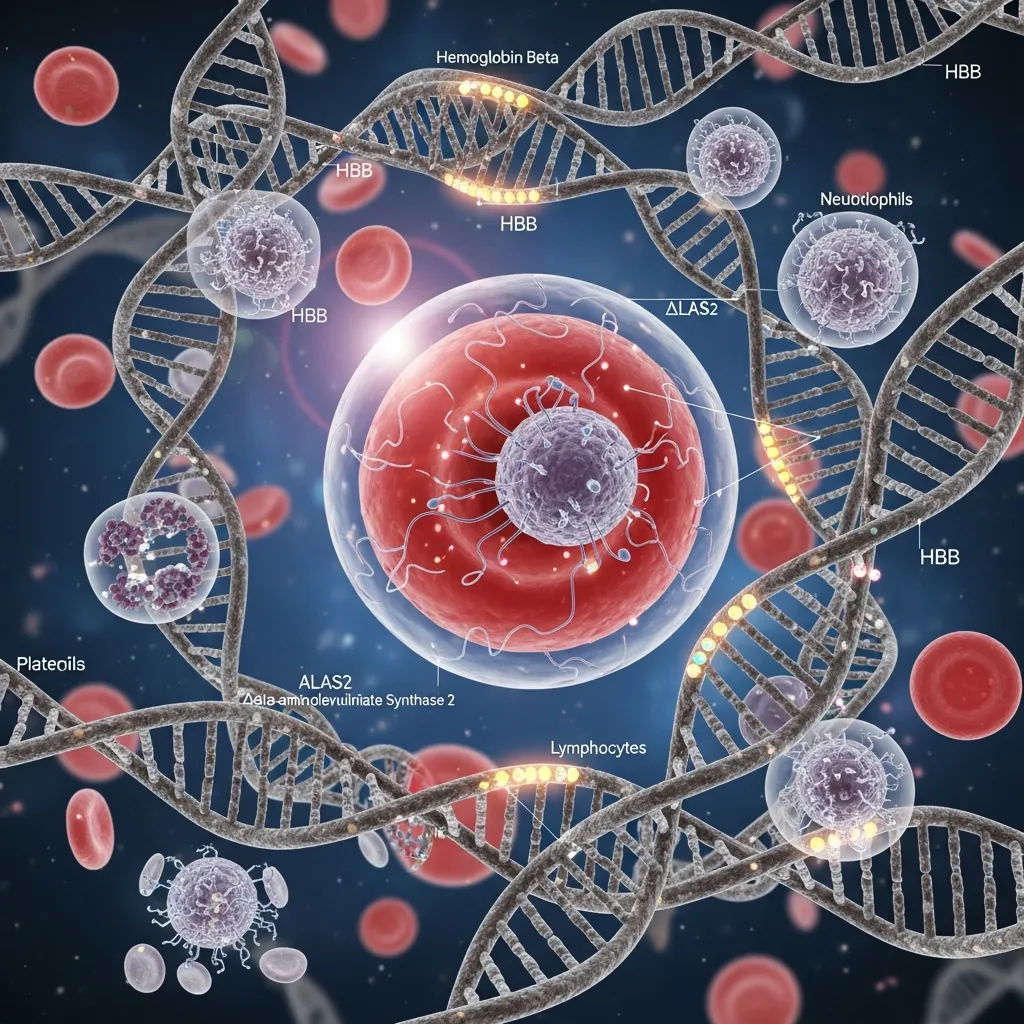 To fully understand your diagnosis, we need to examine the specific proteins that make up your blood. Your genetic instructions dictate exactly how your body manufactures these vital components.
Anemia related conditions like alpha thalassemia affect how efficiently your blood carries oxygen, depending on how well these proteins are produced.
Hemoglobin is the iron-rich protein inside your red blood cells responsible for holding onto oxygen. Healthy adult hemoglobin requires a balanced production of two protein types: alpha-globin chains and beta-globin chains. Your body must produce these chains in equal amounts to form stable, efficient red blood cells.
The production of alpha-globin chains is controlled by four specific genes located on chromosome 16. You inherit two of these genes from your mother and two from your father. An alpha thalassemia carrier has missing or altered alpha-globin genes. Because this condition is usually caused by gene deletions, the severity depends entirely on how many of these four genes are missing from your DNA.
If you are missing just one gene, you are considered a silent carrier. Your remaining genes produce enough protein for normal blood function, and most people experience no symptoms at all.
If you are missing two genes, doctors refer to this as alpha thalassemia minor. In this case, your body still produces sufficient hemoglobin for daily life, but your red blood cells may be slightly smaller than average. Many people discover this only through routine blood tests and never experience serious health problems.
If three genes are missing, the condition becomes more severe and may lead to Hemoglobin H disease. This form can cause noticeable anemia symptoms such as fatigue, weakness, and reduced oxygen delivery to tissues. People with this condition often require regular medical monitoring.
When all four alpha-globin genes are missing, it leads to a very serious condition called alpha thalassemia major. This is typically incompatible with life without intensive medical intervention before or shortly after birth.
Understanding your exact genetic status is extremely important, especially for family planning. This is why healthcare professionals often recommend genetic counseling for carriers. If both parents are carriers, there is a risk of passing more severe forms of the condition to their children.
For further guidance on nutrition and supportive care in related blood conditions, you can refer to this resource:
Thalassemia diet and nutrition guide
Recognizing Symptoms and Securing an Accurate Diagnosis
 One of the most defining characteristics of being a carrier is the subtle nature of the condition. The vast majority of individuals experience absolutely no symptoms. You can play competitive sports, manage a highly demanding career, and go about your daily routine without realizing you have a genetic blood variation.
When symptoms do occur, they generally present as mild anemia. You might occasionally feel a bit more fatigued than usual, particularly during times of physical stress, illness, or pregnancy. Because your red blood cells are slightly smaller, your body works a little harder to distribute oxygen efficiently.
Diagnosis typically begins during a routine physical. A doctor will order a Complete Blood Count (CBC) to measure the size, number, and maturity of your blood cells. A carrier often shows a normal red blood cell count but a lower Mean Corpuscular Volume (MCV), which simply means the cells are small.
A frustrating challenge for many patients is misdiagnosis. Because small red blood cells are also a primary indicator of iron deficiency, well-meaning doctors frequently mistake the genetic trait for a simple lack of iron. They might prescribe heavy iron supplements to correct the problem. Taking unnecessary iron does not treat missing genes. Over time, excessive iron intake can lead to a dangerous buildup of iron in your organs. To confirm your status, doctors must rely on targeted genetic DNA testing to map the specific gene deletions.
Daily Health Management for Carriers
Receiving a genetic diagnosis such as being an alpha thalassemia carrier might sound intimidating at first, but in most cases, managing your health requires very few changes to your everyday routine. Unlike more severe blood disorders that require regular transfusions or frequent hospital visits, a carrier state generally does not need specific medical treatment. Your body is still able to maintain normal oxygen delivery in most situations, even with a mild variation in hemoglobin production.
Most alpha thalassemia carriers do not experience significant symptoms, and many only discover their status during routine blood testing. In terms of overall health, the condition is usually stable and does not progress into a more severe disease. However, understanding your status is still important for long-term awareness and family planning.
While you do not need medication, you should focus on supporting your body’s natural blood production. A balanced, nutrient-rich diet plays an important role in maintaining healthy red blood cells and overall wellness. Focus on foods naturally high in folate (folic acid), such as leafy green vegetables, beans, lentils, citrus fruits, and fortified grains. Folate is essential for the production of new red blood cells in the bone marrow and helps maintain proper blood formation.
Adequate intake of vitamin B12 is also important, as it supports healthy red blood cell development and nervous system function. Foods such as fish, eggs, dairy products, and fortified cereals can help maintain proper levels. Staying well-hydrated and maintaining a healthy lifestyle with regular physical activity also supports overall blood circulation and energy levels.
You must remain cautious with iron consumption. Unless a doctor has confirmed iron deficiency through tests like serum ferritin or iron studies, over-the-counter iron supplements should be avoided. Taking unnecessary iron can lead to excess iron accumulation in the body, which does not improve genetic blood conditions like alpha thalassemia carrier status and may even cause harm over time.
If there is any uncertainty between iron deficiency and a genetic trait, consulting a specialist such as an anemia treatment doctor is very important. Conditions like Anemia can sometimes mimic the mild blood changes seen in carriers, so proper diagnosis ensures you receive the right advice and avoid unnecessary supplementation.
Regular check-ups are usually minimal but helpful, especially if symptoms like persistent fatigue, weakness, or unusual pallor appear. In such cases, a healthcare provider can reassess whether another underlying condition is present alongside the carrier state.
Overall, with the right awareness and simple lifestyle choices, most alpha thalassemia carriers live completely normal, healthy lives without restrictions or medical complications.Be sure to inform any new healthcare provider about your thalassemia trait so they can interpret your lab results accurately and avoid prescribing unnecessary iron pills.
Regular, moderate exercise supports cardiovascular health and helps maintain high energy levels. You do not need to restrict your physical activities. Listen to your body, stay well-hydrated, and ensure you get adequate rest if you ever experience occasional fatigue.
Family Planning and Genetic Awareness
 For individuals carrying the trait, the most significant medical considerations arise when planning to start a family. The inheritance of this condition is a straightforward matter of genetics.
If you carry the trait and your partner has perfectly normal hemoglobin genes, your children may inherit the trait, but they will not develop a severe disease. However, if both you and your partner carry missing alpha-globin genes, the genetic risks increase. There is a chance your child could inherit three or four missing genes, leading to serious health complications like Hemoglobin H disease.
Modern medicine offers sophisticated tools to help prospective parents navigate these risks. Organizations like the Centers for Disease Control and Prevention (CDC) strongly advocate for accurate genetic testing before pregnancy. A genetic counselor can analyze your DNA, pinpoint the exact number of missing genes, and help you understand how this might affect your future children.
If you and your partner both carry a trait, a counselor can calculate the exact statistical risks for your pregnancy. They will explain the potential outcomes clearly and discuss alternative family planning options, such as in vitro fertilization (IVF) with preimplantation genetic screening. It is also helpful to understand the differences between the types of mutations by reviewing resources on alpha vs beta thalassemia, as the inheritance patterns and severity levels vary between the two.
During pregnancy, a woman’s blood volume expands dramatically to support the growing fetus. This natural process can temporarily worsen the mild anemia associated with the carrier state. Expectant mothers should be closely monitored by their obstetrician to ensure their hemoglobin levels remain safe and to determine if specialized nutritional support is needed.
Frequently Asked Questions (FAQs)
1. What is an alpha thalassemia carrier?
An alpha thalassemia carrier is someone who has a genetic change in the alpha-globin genes that slightly affects hemoglobin production but usually does not cause serious health problems.
2. Is being an alpha thalassemia carrier a disease?
No, it is not a disease in most cases. It is a genetic trait related to Anemia that typically causes no or very mild symptoms.
3. Do alpha thalassemia carriers need treatment?
Most carriers do not require treatment. A healthy lifestyle and proper diagnosis are usually enough.
4. Can an alpha thalassemia carrier feel tired or weak?
Some carriers may experience mild symptoms, but fatigue is more commonly linked to other causes of Anemia or iron deficiency.
5. Can iron supplements help alpha thalassemia carriers?
Only if iron deficiency is confirmed. Otherwise, iron supplements are not needed and may be harmful.
6. How is alpha thalassemia carrier status diagnosed?
It is diagnosed through blood tests like CBC and genetic testing, usually ordered by a healthcare professional.
7. Can two carriers have children safely?
Yes, but there is a risk of passing more severe forms of thalassemia, so genetic counseling is recommended.
8. Does being a carrier affect daily life?
In most cases, no. Alpha thalassemia carriers live normal, healthy lives without restrictions.
9. Should carriers see a doctor regularly?
Routine check-ups are usually enough unless symptoms appear. Consulting an anemia treatment doctor is helpful if confusion with Anemia exists.
10. Can alpha thalassemia become worse over time?
No, carrier status does not worsen. It remains stable throughout life.
Conclusion
Being an alpha thalassemia carrier is generally a harmless genetic condition that affects hemoglobin production in a mild way. Most individuals live normal, healthy lives without medical complications or treatment needs. However, understanding your status is important to avoid confusion with conditions like Anemia and to make informed decisions about family planning.
With proper awareness, balanced nutrition, and occasional medical guidance from an anemia treatment doctor, carriers can confidently manage their health. In most cases, simple lifestyle habits and accurate diagnosis are enough to ensure long-term wellbeing and peace of mind.